TL;DR
- A produce or seafood carton is sized from three numbers: the internal length, width and height you need, the packed weight per box, and how high the pallet stacks. Send approximations and the die gets cut twice.
- Board thickness works against you on the inside. The internal dimensions on your drawing and the external dimensions we cut are two different numbers, and the flute grade decides the gap between them.
- Sample cartons take 7 days and production runs 15 days once artwork and the die are approved. Our quotation holds 7 days from issue.
This page is for importers and packing houses ordering corrugated cartons and trays for fresh produce, seafood and eggs, where the box has to answer to a fixed net weight, a pallet footprint and a vent requirement at once. It covers what we measure before board is ordered and what the die fixes.
Internal dimensions are the only dimensions your customer ever sees
When a buyer tells us the carton has to "just fit" their punnet tray or their fish fillet block, nothing in that sentence can be cut into board. Three things move at once inside a corrugated carton. The flute takes room away from the inside, the score lines pull material into the corners, and the board recovers a little after it leaves the corrugator, so a box measured hot on our line and the same box measured in your warehouse do not read the same. That is why we quote and cut to the internal dimensions and let the outside follow.
Reworking a die is not a small correction: a new die board, a new counter plate, a fresh sampling round and, on a printed box, new plates. The formats in our produce, fruit, egg and seafood carton range show how much of a specification one dimension change can disturb.
The four measurements that fix a produce or seafood carton
Everything else follows these four. If one is missing we ask; if it is not decided on your side yet, say so rather than let us guess.
- Internal length, width and height, measured inside the walls, at the finished board grade. Empty space above the produce is the cheapest thing to remove and the easiest thing to overdo.
- Packed weight per carton, not the net weight on the label alone. Tray, liner, ice pack and the juice that collects in the bottom all load the bottom box in a stack.
- Stack height and pallet pattern. Tell us the pallet footprint you use, the cartons per layer and the layers per pallet. This is the number we quote the compression against.
- Ventilation or drain area, plus handles. Vent slots, hand holes and drain openings are cut in the die, so they are settled before the die is made rather than added afterwards.
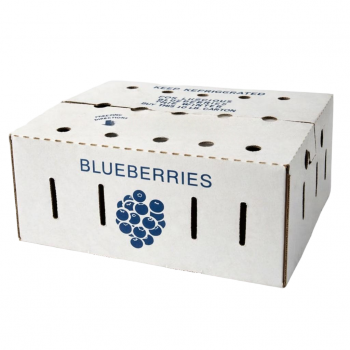
Our published formats fix one of these for you. The ventilated blueberry carton carries a 5 lb net-weight reference and its vent pattern is as much part of the specification as the footprint; the apple, tomato and banana formats work the same way, from 1 1/9 bushel to 25 kg.
What the die settles that a knife cannot
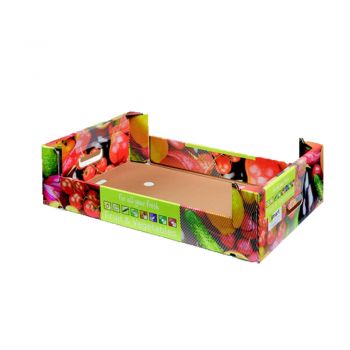
Once a carton is die-cut rather than slotted from a standard sheet, the shape stops being adjustable at the machine. The die carries the score positions, the glue flap, the handle, the vents and the locking tabs. Vent area, handle placement and the rim height on a tray belong in the first drawing; asking for them after sampling is a redesign, not an adjustment. Our fruit and vegetable corrugated trays are quoted this way, per size and per die.
Where the box shape meets a market requirement
Packaging for the EU market now sits under Regulation (EU) 2025/40, whose general application date fell in August 2026. The Commission's own pages describe the direction as "common-sense packaging" and, in their words, small, light packaging without empty space. The same material sets out what else is coming: harmonised labelling from 2028, and all packaging recyclable by 2030, against a projected 19% growth in packaging waste and 46% growth in plastic packaging waste by 2030 if nothing changes. See the Commission's packaging and packaging waste page and the dated summary on the European Circular Economy Stakeholder Platform.
What that does not do is ban empty space in transport packaging, and it does not set one ceiling figure for it. Obligations depend on who places the packaging on the market, the void-ratio numbers circulating in trade and law firm summaries are second-hand, and detailed guidance is still arriving. Our narrower reading: a carton oversized on every side is a cost and a compliance question at once. We are a packaging factory, not your compliance adviser: our PPWR guide for paper packaging buyers keeps to the sources we can stand behind.
The cases where a smaller carton is the wrong answer
We talk buyers out of shrinking boxes about as often as we cut new dies, and the reasons are structural rather than commercial. If the carton is also a shelf-ready display, it has to hold the produce above the tray wall and stay readable on the shelf, and shaving height cuts product and print together. If the produce respires, the vents take material out of the panel, so the box needs enough wall left for them. If your retailer or packaging buyer issued a fixed tray footprint and case count, that specification wins over any general design principle. If the load travels in a refrigerated container, the gaps between cartons are doing airflow work.
One more case worth saying out loud: if the wet part of the journey is the real problem, a closer-fitting carton will not fix it. That is a board and coating question, covered on our page for wax-coated corrugated boxes for fresh produce and seafood.
The formats we publish, and the size each one already fixes
These are the references and prices published on our own product pages in September 2026. They move with size, board grade, flute and print run, so read them as the shape of the range, not a quotation.
| Format | Size reference on the page | Board, flute and finish listed | Site price, Sep 2026 | What we still need from you |
| Ventilated blueberry carton | 5 lb net weight reference | Kraft or white top liner, E, B, C or BC flute, RSC or custom die-cut, offset, flexo or digital print | US$0.50–2.00/pcs | Internal L×W×H, vent area, layers per pallet |
| Ventilated apple carton | 1 1/9 bushel reference | Kraft or white top liner, E, B, C or BC flute, ventilated panels, custom print | US$0.50–2.00/pcs | Internal L×W×H, handle position, case count |
| Tomato box | 15 lb reference | Cardboard or corrugated board, slotted box, recyclable, custom print | US$0.50–1.50/pcs | Internal L×W×H, vent pattern, pack count per box |
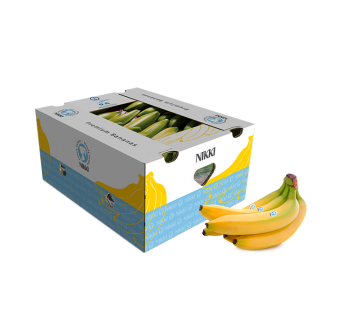
| Banana carton | 5 kg, 10 kg, 20 kg and 25 kg references | Cardboard or corrugated board, slotted box, recyclable, custom print | US$0.50–1.50/pcs | Which weight class, internal height, liner choice |
| Fruit and vegetable tray | Custom size, rim matched to product height | Two or three layers of corrugated board depending on load, recyclable | US$0.50–1.00/pcs | Internal tray size, rim height, stack weight on the bottom tray |
| Vented cherry carton | Custom size for air freight and store distribution | Cardboard, slotted box, vented panels, recyclable | US$0.50–1.50/pcs | Internal L×W×H, vent open area, air freight gross weight |
On order quantity there is no single number across the range: minimum order quantity differs by product, size and construction, and the widest range published on our product pages is 500–1,000 pcs for corrugated and folding boxes and 300–1,000 pcs for rigid boxes. We confirm the figure against your drawing before the deposit.
What we check before board is ordered
- The internal dimensions, written down, at the board grade we are quoting. Not the outside of the box you use now.
- The packed weight of one carton and the number of cartons in the bottom layer.
- The stack height on the pallet, including any pallet overhang.
- The vent, handle and drain openings, placed on the die drawing rather than agreed verbally.
- The board grade and flute, written next to the coating rather than left as "strong".
- The printing method, because flexo and offset need different plate work and different lead times.
- The die drawing, signed off, before we order board.
Where a load needs separation rather than more board, we add corrugated sheets and layer pads into the pallet instead of thickening the walls. Where the size is driven by a store format rather than by weight, the same material question is answered on our food and beverage packaging range.
Frequently asked questions
Can I just send you the outside size of the box I buy today? You can, and we will convert it, but tell us the board grade and flute of the old box or the internal size will drift. The inside holds your product; the outside is what a supplier chose to get that inside.
How much does the flute grade change what fits inside? Enough to matter on a footprint. An E flute wall takes less room than a C or BC wall, so a carton re-quoted in a heavier flute at the same outside size loses internal space. Give us the internal dimensions and the stack height, and the flute follows from the load.
What is the MOQ on a printed produce carton? There is no single figure. It differs by product, size and construction, and the widest range published on our product pages is 500–1,000 pcs for corrugated and folding boxes and 300–1,000 pcs for rigid boxes. We confirm it against your drawing before the deposit.
How long does a first sample take, and how long is production? Samples take 7 days and production runs 15 days, counted from artwork and die approval rather than from the enquiry. Our quotations hold for 7 days.
Do you need the die before you can quote a price? No. We quote from the internal dimensions, board grade, flute and print coverage, and we do not cut board until you have signed the die drawing. Sizes and prices for the published formats are on the produce and seafood collection page.
My retailer gives me a fixed tray footprint. Whose specification wins? Theirs. A contract pack or store format is a hard constraint and we build to it. We will flag the extra material and cost, so the decision stays yours.
Does the EU packaging regulation mean I have to shrink my carton? It does not ban empty space in transport packaging and it does not set one ceiling figure for it. The Commission describes the direction as small, light packaging without empty space, with harmonised labelling from 2028 and recyclability by 2030. Whether a void-space requirement lands on your specific box is a question for your compliance adviser, and we would rather say that than quote a number we cannot source.
Sources
- Packaging and Packaging Waste Regulation (Regulation (EU) 2025/40), and the Commission's description of small, light packaging without empty space: European Commission, DG Environment.
- Dated summary of what starts applying and when, including harmonised labelling from 2028 and recyclability and waste-reduction measures from 2030: European Circular Economy Stakeholder Platform, 25 August 2026, and the Commission press release of 11 August 2026.
- Board grades, flute options, box types, net-weight and size references, MOQ ranges and unit prices: birtleypack.com product pages and collection pages, checked 23 September 2026.
- Sampling at 7 days, production at 15 days counted from artwork and die approval, and 7-day quotation validity confirmed with our export team on 22 September 2026.
Last verified: 23 September 2026 by our export and product documentation team. The regulation text prevails over this summary, implementing guidance is still arriving, and any requirement that applies to your carton should be confirmed with your own compliance adviser before a die is cut.
Send the internal length, width and height, the packed weight per carton, the stack height on the pallet and the destination port, and we will come back with a die drawing and a quotation.
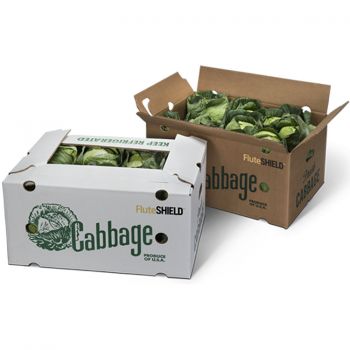
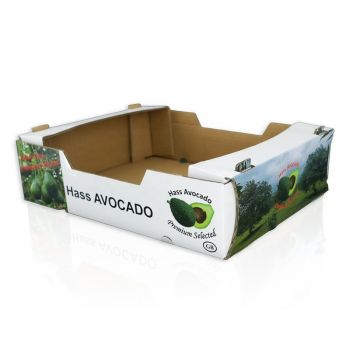
BDL Wholesale Corrugated Cardboard Fruit Vegetable Packaging Carton
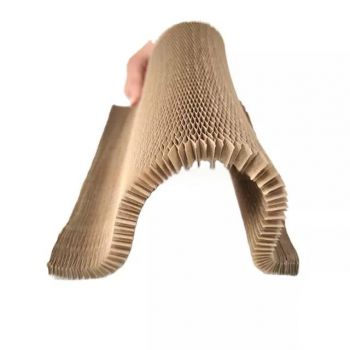
Bdl Manufacturer Supply Honeycomb Paper Core Kraft Material
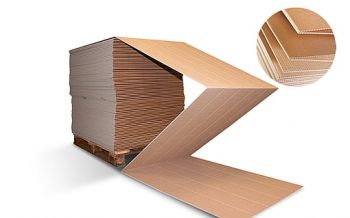
BDL Fanfold Corrugated Cardboard High Strength Endless Cardboard Sheet
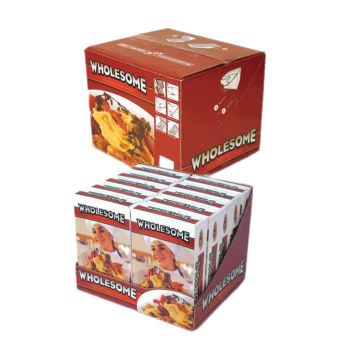
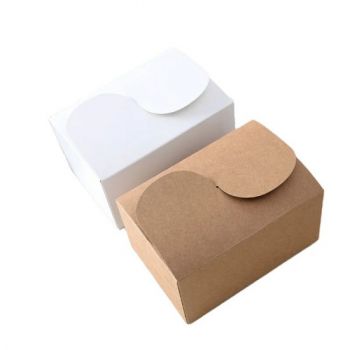
BDL Hot New Portable Small Cardboard Paper Counter Packaging Box