Custom Corrugated Carton Box Avoid Pitfalls Guide: Key Details for Bulk Purchase
When sourcing custom corrugated shipping cartons for bulk purchase, many buyers focus only on unit price while ignoring critical hidden details. This common mistake often leads to soft cartons, in-transit product damage, incorrect sizing, delayed shipments, and low-quality raw materials — all of which increase costs and disrupt your supply chain.
With years of professional packaging manufacturing experience, we’ve compiled the most important details to verify when purchasing custom carton boxes. This guide helps you avoid common industry pitfalls, reduce risks, and select a reliable carton manufacturer for long-term cooperation.
1. Do Not Only Look at Price — Always Check Carton Material First
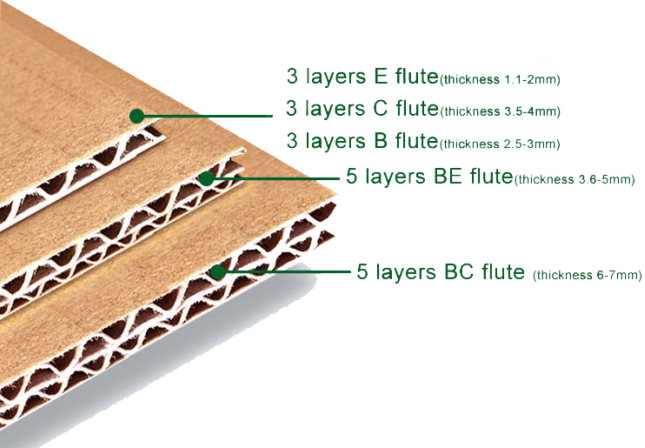
Many cheap carton suppliers cut costs secretly by reducing corrugated layers, lowering paper grammage, or using mixed recycled paper. The exterior may look identical, but load-bearing capacity, durability, and moisture resistance drop significantly.
- Differentiate 3-layer, 5-layer, and 7-layer corrugated cardboard; choose based on product weight and shipping distance.
- Verify the quality of face paper, inner liner, and corrugated medium to avoid low-grade recycled paper that easily absorbs moisture and collapses under pressure.
- Request physical samples to test hardness, stiffness, and compression strength before bulk ordering.
2. Hidden Traps in Custom Carton Size & Dimensions

Miscommunication about inner size, outer size, and packing size is one of the costliest mistakes in custom carton procurement. Ill-fitted boxes either fail to contain products properly or leave excessive gaps that cause items to shift, collide, and damage during transit.
- For export and sea freight, design carton outer dimensions to match container sizes and maximize loading efficiency, reducing shipping costs.
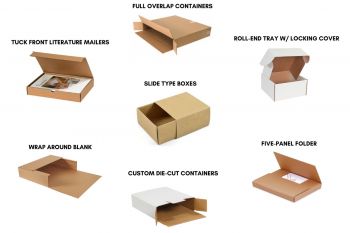
- Confirm structural drawings and dielines for custom or special-shaped cartons — never rely on verbal agreements.
- Double-check all measurements in the quotation and contract to avoid costly rework.
3. Avoid Pitfalls in Printing, Logo & Surface Craft

Printing and finishing costs vary widely between water-based flexo printing, offset printing, and full-color CMYK printing. Unclear specifications often lead to color discrepancies, blurred logos, or expensive reprints.
- Agree on color standards, font sizes, and logo placement before production.
- Approve final artwork drafts and digital proofs to prevent typos, misprints, or layout errors.
- Choose finishes like lamination (gloss/matte), hot stamping, or anti-slip coating only when necessary — avoid unnecessary processes that inflate costs.
4. Load Capacity & Compression Resistance Reduce Shipping Damage
Cartons used for high stacking, long-distance transport, or multiple handlings must have strong bursting strength, compression resistance, and stackability. Cheap boxes often deform or break under load, especially in humid environments.
- Select carton grade based on product weight and stacking height.
- For marine shipping and humid conditions, opt for moisture-resistant or waterproof coatings to keep boxes rigid.
- Conduct sample compression and drop tests to ensure quality before mass production.
5. MOQ, Lead Time & After-Sales Terms You Must Confirm
Ignoring minimum order quantity (MOQ), sample lead time, production cycle, and delivery schedules often causes delays, especially during peak shipping seasons.
- Clarify MOQ for custom sizes and printed cartons.
- Confirm sample making time, digital proof approval time, and mass production lead time.
- Include clear clauses in the contract for defective product replacement, shortage replenishment, and delivery delay compensation — never trust verbal promises.
6. Extra Requirements for Export & Amazon FBA Cartons
Export and cross-border shipments require cartons that meet international standards:
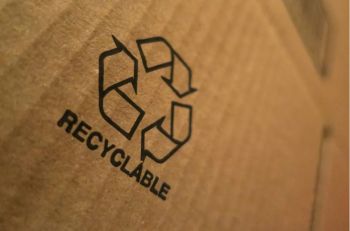
- Comply with global recycling and environmental regulations.
- Meet fumigation and inspection requirements for customs clearance.
- Follow Amazon FBA carton size, weight, and labeling rules (shipping marks, barcodes, SKU labels, warning symbols).
- Reinforce structure for international sea freight to withstand moisture and rough handling.
Conclusion
Purchasing custom corrugated carton boxes is never just about comparing unit prices. Material quality, accurate sizing, proper printing, compression strength, reliable lead times, and clear after-sales policies are all essential to avoid costly pitfalls.
Work with a professional direct packaging manufacturer, confirm samples and artwork first, and sign a detailed contract. This approach ensures cost-effectiveness, stable production, safe shipping, and zero product loss for your business. Contact Us Today
You May Also Like
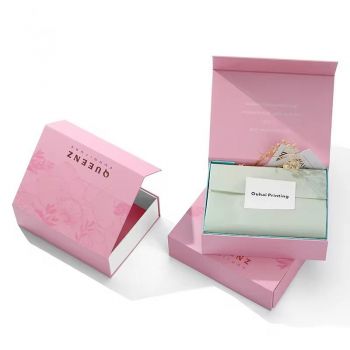
BDL Magnetic Folding Gift Box for Small Business Packaging
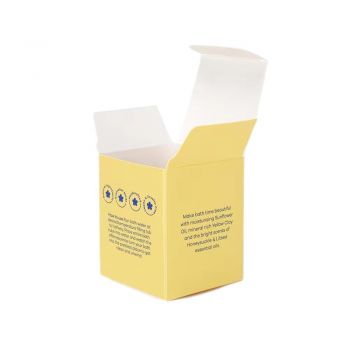
BDL Biodegradable Cosmetic Small Carton Box with Custom Logo
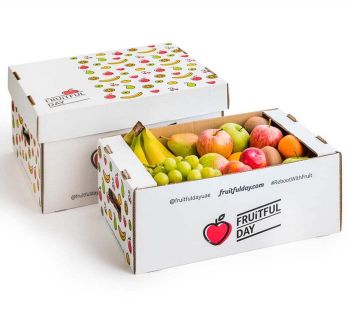
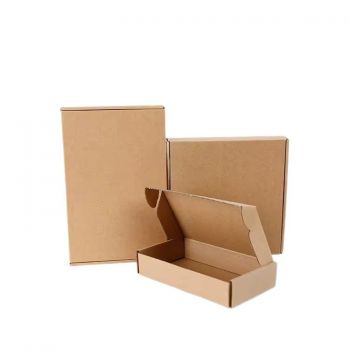
FSC