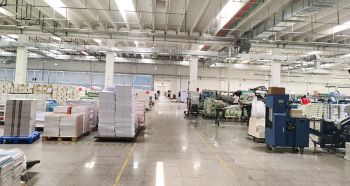
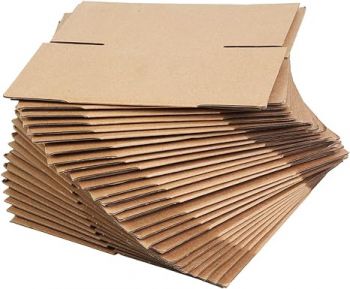
What are Different Types of Boxes for Small Businesses?
 Packaging isn’t just a container for your small business—it’s your first impression, a silent brand advocate, and a make-or-break factor for customer satisfaction. In a crowded market where consumers scroll past hundreds of products daily, custom boxes are your secret weapon to stand out, turn one-time buyers into repeat customers, and build a memorable brand identity. Whether you’re an e-commerce seller, a local retailer, or a product manufacturer, the right custom packaging doesn’t just protect your goods—it drives growth. Let’s break down why custom boxes matter more than ever, how to customize them for maximum impact, and the must-have box types to elevate your small business.
Why Custom Boxes Are Non-Negotiable for Small Businesses?
Gone are the days when plain brown boxes cut it. Today’s consumers crave personalization, sustainability, and experiences—and custom packaging delivers all three. Here’s why it’s a game-changer for your small business:
- Supercharge Brand Recognition: 72% of consumers say packaging design influences their purchasing decisions (IPSOS). Custom boxes with your brand’s logo, signature colors, and unique messaging turn every shipment into a brand touchpoint—so customers remember you long after unboxing.
- Elevate the Unboxing Experience: Social media is flooded with “unboxing videos”—and custom packaging is the star. A visually stunning box with thoughtful details (like a handwritten note, branded tissue paper, or a soft-touch finish) turns a simple delivery into a shareable moment, boosting organic reach.
- Guarantee Product Safety: One bad shipping experience can lose a customer forever. Custom boxes are tailored to your product’s size, shape, and fragility—eliminating extra space, reducing transit damage, and cutting down on return costs (a huge win for small budgets!).
- Double as a Marketing Tool: Your box is a free billboard. Print QR codes linking to your website, social media, or loyalty program; highlight sustainability efforts (e.g., “100% Recycled”); or promote discounts for future purchases—all while your product is in transit.
- Build Trust & Loyalty: A polished, intentional custom box signals that you care about quality—from the product to the presentation. 65% of customers say they’re more likely to repurchase from brands with “premium, thoughtful packaging” (Deloitte)—a critical edge for small businesses competing with big-box retailers.
Quick & Impactful Customization Tips for Small Business Boxes (No Big Budget Required!)
You don’t need a Fortune 500 budget to create stunning custom boxes. Focus on these high-impact, low-cost tweaks:
- Shape & Size: Fit Like a Glove: Ditch one-size-fits-all boxes! Customize dimensions to snugly wrap your product—this reduces material waste (great for sustainability cred), lowers shipping costs (less dimensional weight), and makes your product feel more premium (no loose, cheap-looking packaging).
- Design & Print: Tell Your Brand Story: Keep it simple but memorable. Use your brand’s core color palette (2-3 colors max for clarity), add a bold logo, and include a short, powerful message (e.g., “Handmade with Love” or “Sustainable for Our Planet”). For small batches, digital printing is cost-effective; for high volume, flexographic printing offers crisp, durable results.
- Finishing Touches: Add That “Wow” Factor: Small details make a big difference. Opt for:
- Soft-touch lamination for a luxe, tactile feel (perfect for cosmetics, jewelry, or skincare).
- Matte finish for a modern, eco-friendly vibe (great for apparel, home goods, or wellness products).
- Gloss finish for vibrant, eye-catching graphics (ideal for toys, snacks, or tech accessories).
- Embossing or debossing for your logo—adding texture that makes your brand stand out on shelves.
Must-Have Box Types for Small Businesses (By Purpose & Use Case)
Not all custom boxes are created equal—choose the type that aligns with your product and goals:
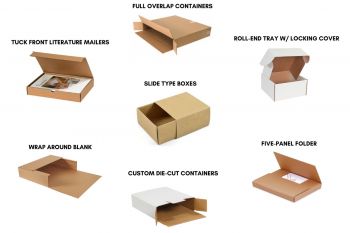
1. Corrugated Boxes (Corrugated Cartons)
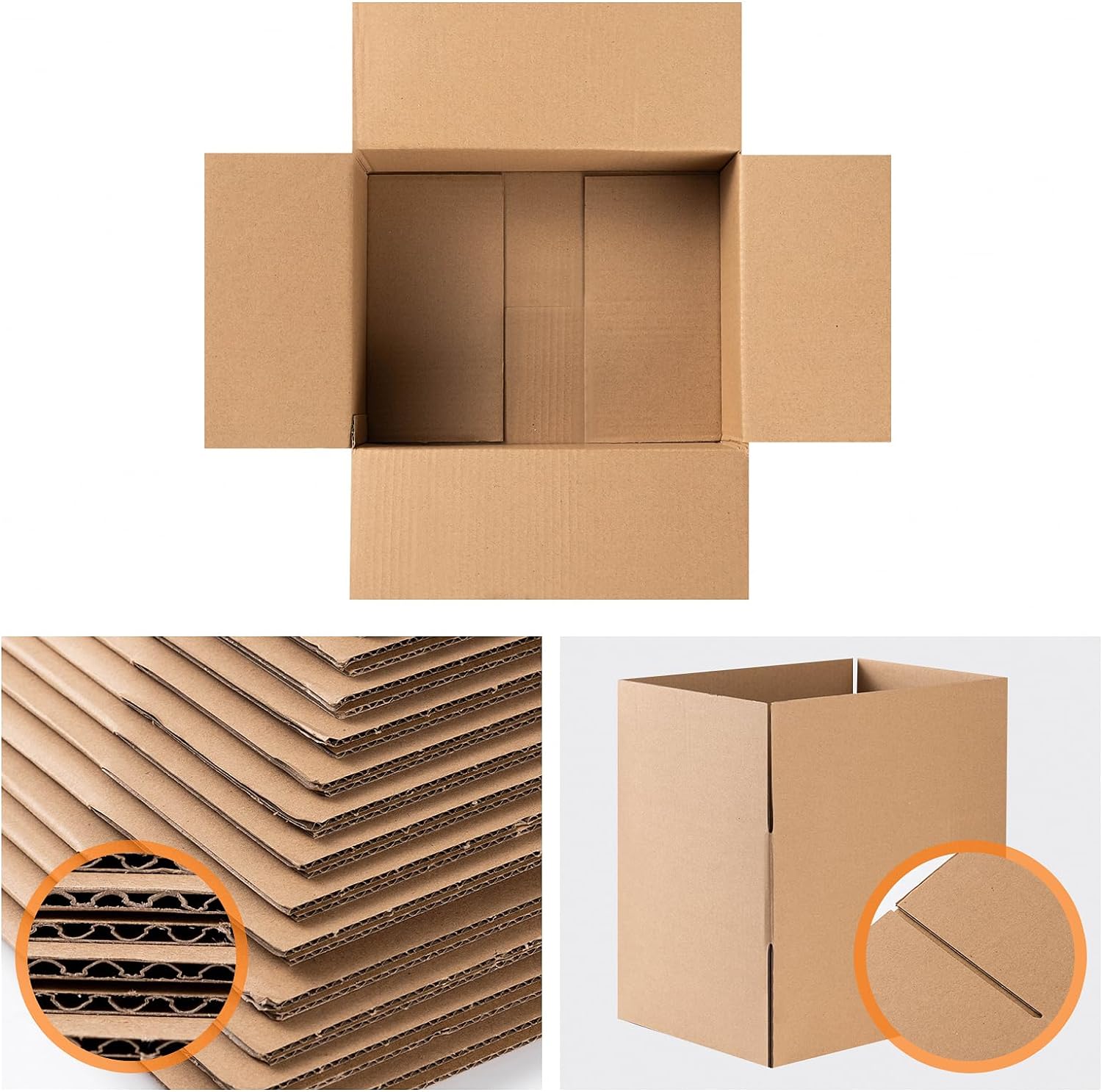
The backbone of global shipping, corrugated boxes are defined by their fluted paper core sandwiched between two flat liners. They’re categorized by flute types (E-flute for lightweight items, B-flute for stacking strength, C-flute for balanced protection) and burst strength (measured in psi) — critical for meeting international shipping standards (ISTA 3A, ASTM D4169).
Use cases: E-commerce shipments, fragile goods (with additional void fill like bubble wrap), bulk inventory storage.
Why small businesses love them: Cost-effective, customizable (printable with brand logos), and recyclable (aligning with sustainability trends like “circular packaging”).
2. Rigid Boxes (Set-Up Boxes)

Rigid boxes are premium, pre-assembled packaging made from thick, sturdy paperboard (300-600 gsm). They’re often wrapped in decorative paper, fabric, or foil, making them a staple for luxury branding. Key industry terms: “structural rigidity,” “premium unboxing experience,” “custom die-cutting.”
Use cases: High-value products (jewelry, cosmetics, electronics accessories), gift sets, limited-edition collections.
Why small businesses love them: Boosts perceived value, encourages social media sharing (viral unboxing content), and doubles as reusable storage for customers.
3. Mailer Boxes (Shipping Mailers)
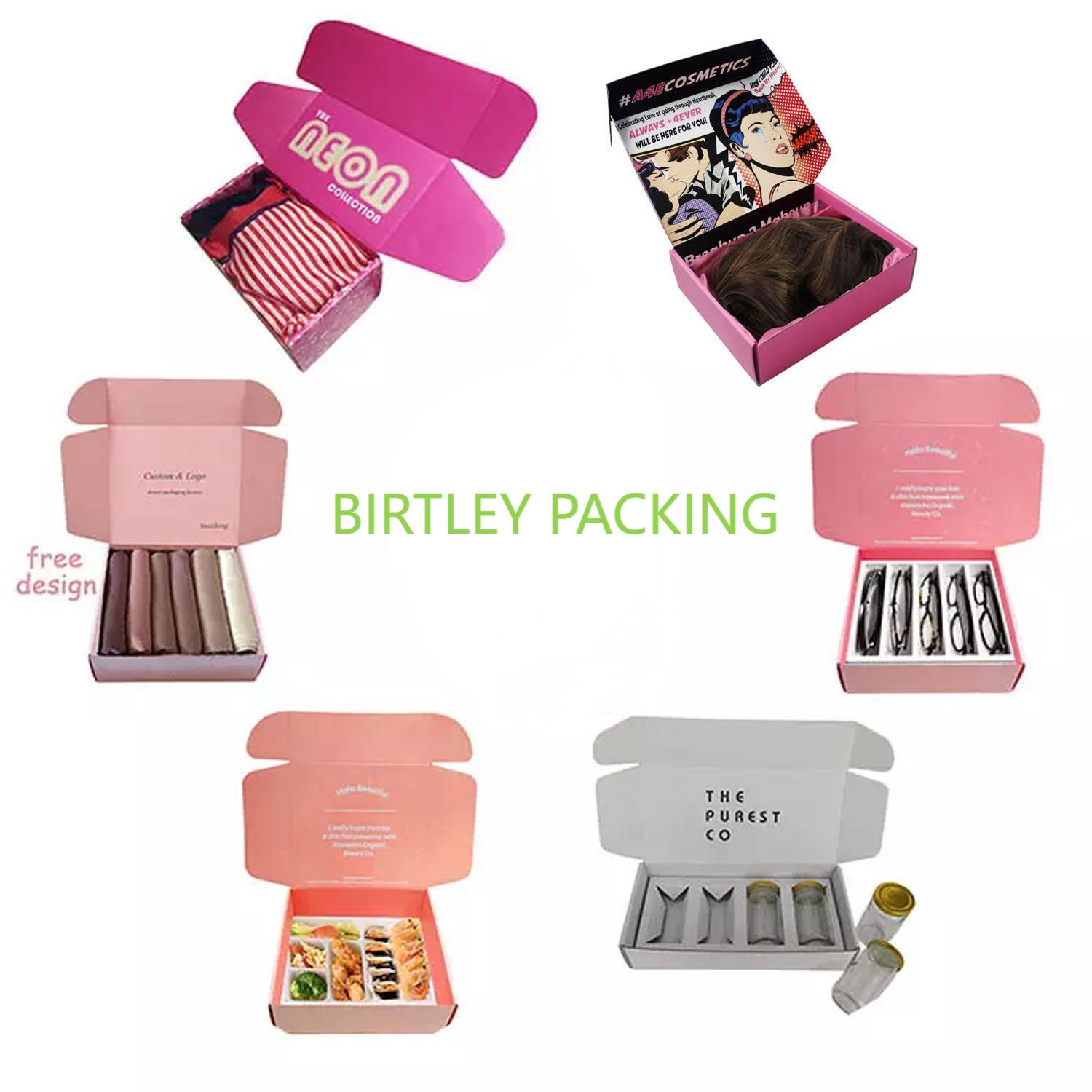
Mailer boxes are lightweight, self-sealing cartons designed for small, non-fragile items. The two most popular variants are:
- Poly mailer boxes: Waterproof, tear-resistant, and ideal for apparel or soft goods.
- Kraft mailer boxes: Eco-friendly, uncoated cardboard options (aligned with “sustainable packaging” trends).
Industry keywords: “self-locking tabs,” “lightweight shipping,” “minimalist packaging.”
Use cases: T-shirts, books, small gadgets, subscription box shipments.
Why small businesses love them: Saves on shipping costs (lower dimensional weight), quick to assemble, and fits standard courier sizes (USPS Flat Rate, DHL Packet).
4. Folding Cartons (Paperboard Cartons)
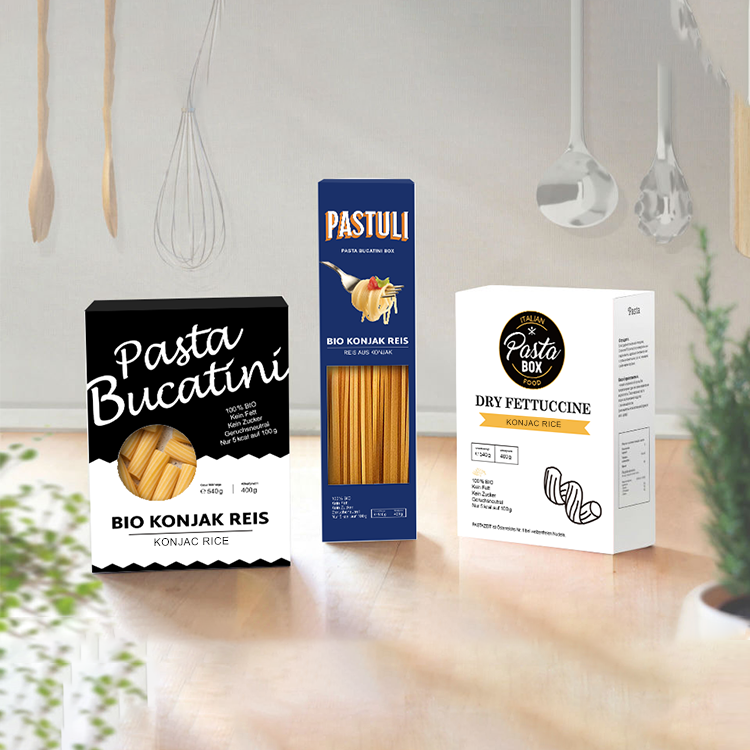
Folding cartons are thin, collapsible boxes made from paperboard (150-300 gsm), folded into shape during packaging. They’re highly customizable with offset printing, embossing, or matte lamination — perfect for in-store merchandising.
Industry keywords: “retail-ready packaging,” “FSC-certified paperboard,” “tamper-evident seals.”
Use cases: Food items (snacks, baked goods), beauty products (skincare tubes, lipstick), small hardware tools.
Why small businesses love them: Compact for storage (collapsible design reduces warehouse space), affordable for high-volume orders, and compliant with food safety standards (FDA-approved coatings).
5. Display Boxes (PDQs: Products Displayed Quickly)
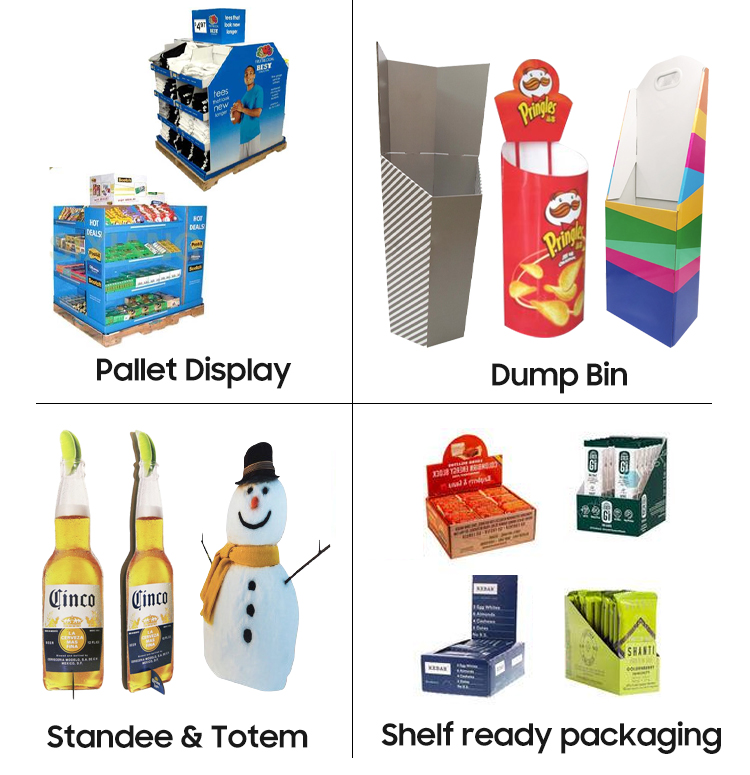
Display boxes are designed to showcase products on retail shelves or countertops. They feature open fronts, clear windows (PVC or PET), or tiered structures to highlight product visibility.
Industry keywords: “point-of-purchase (POP) display,” “shelf-ready packaging (SRP),” “countertop PDQs.”
Use cases: Small toys, candy, phone accessories, sample-sized products.
Why small businesses love them: Drives impulse buys, eliminates the need for separate displays, and integrates branding seamlessly with product presentation.
6. Custom Printed Boxes
More than a box—custom printed boxes are a marketing tool. They incorporate brand colors, logos, QR codes, or unboxing instructions, leveraging digital printing (cost-effective for small batches) or flexographic printing (for high-volume orders).
Industry keywords: “brand storytelling packaging,” “variable data printing,” “sustainable inks (soy-based).”
Use cases: Branded e-commerce orders, wholesale shipments, promotional products.
Why small businesses love them: Builds brand recognition, reduces the need for additional packaging inserts, and meets consumer demand for personalized experiences.
7. Eco-Friendly Boxes (Sustainable Packaging)
With 60% of consumers prioritizing eco-friendly brands (Nielsen), sustainable boxes are non-negotiable. They include recycled cardboard boxes, compostable boxes (made from bamboo or sugarcane fiber), or reusable boxes (for subscription models or B2B shipments).
Industry keywords: “carbon-neutral packaging,” “zero-waste boxes,” “FSC-certified (Forest Stewardship Council).”
Use cases: All product types (especially wellness, food, and apparel), eco-conscious markets (EU, Canada, California).
Why small businesses love them: Appeals to green consumers, reduces environmental impact, and aligns with global regulations (EU Packaging Waste Directive, California’s SB 54).
8. Heavy-Duty Boxes (Industrial Strength Cartons)
For bulky or heavy items (5-50 lbs), heavy-duty boxes are reinforced with extra liners or double-walled corrugation. They’re rated by edge crush test (ECT) — a key metric for industrial packaging.
Industry keywords: “double-walled corrugated,” “high ECT rating (32 ECT+),” “cargo-ready boxes.”
Use cases: Power tools, small appliances, bulk parts, wholesale shipments.
Why small businesses love them: Prevents transit damage (reduces returns), supports stacking in warehouses, and complies with freight shipping requirements.
9. Specialty Boxes (Custom-Structured Cartons)
Specialty boxes are designed for unique product shapes or needs, such as:
- Telescoping boxes: Two-piece (base + lid) for fragile items (glassware, candles).
- Die-cut boxes: Custom-shaped to fit irregular products (e.g., headphones, plant pots).
- Tamper-evident boxes: With security seals or tear strips for high-value items (electronics, pharmaceuticals).
Final Thought: Custom Boxes = Small Business Growth
For small businesses, every dollar and every touchpoint counts—and custom boxes deliver ROI in ways plain packaging never can. They boost brand recognition, reduce returns, drive social media buzz, and turn customers into loyal fans. The best part? You don’t need to overcomplicate it—start with small, intentional customizations (like a branded logo or a sustainable material) and scale as you grow.
Ready to level up your packaging? Whether you’re shipping your first e-commerce order or revamping your retail shelves, custom boxes are the simplest way to make a big impact in.
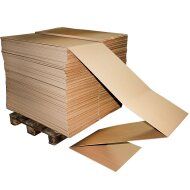
Bdl High Strength Endless Continuous Corrugated Fanfold Cardboard
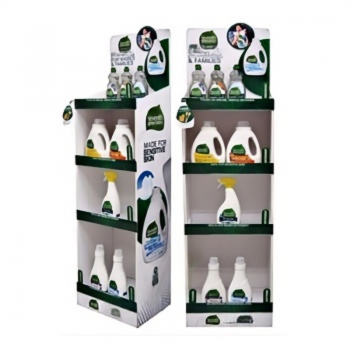
BDL 4-Tier Cardboard Floor Display with Custom Printed Logo
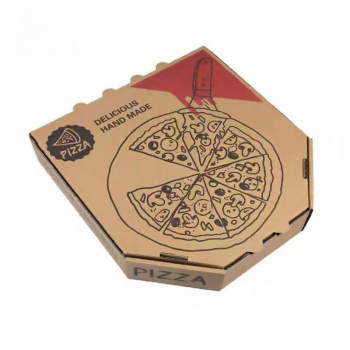
BDL Thick Corrugated Pizza Box with Grease-Resistant Foil Lining
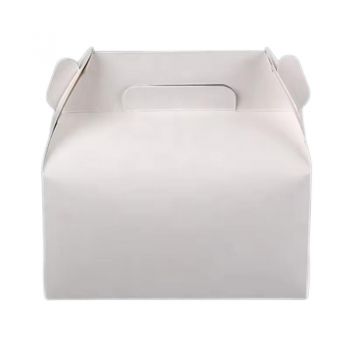
BDL Custom Printed Cardboard Cake Box Personalized Cake Box With Handle