What Is The Difference Between Embossed And Debossed Packaging?

In the competitive world of product packaging, details make all the difference. Embossed and debossed packaging are two popular techniques that add tactile depth and visual appeal to your products—helping them stand out on shelves and leave a lasting impression on customers. But what exactly sets these two methods apart? Let’s break down their key differences, applications, and how to choose the right one for your brand.
What Are Embossed and Debossed Packaging?
Embossed Packaging
Embossing creates a raised design, pattern, or text on the packaging surface. Using a custom metal die and pressure, the material (such as cardboard, paperboard, or plastic) is pressed upward to form a 3D relief that’s raised above the surrounding area. This technique adds a sense of luxury and dimension, making logos, brand names, or decorative elements instantly noticeable.
Debossed Packaging
Debossing, by contrast, produces a recessed design—the pattern or text is pressed downward into the packaging material, creating a sunken effect below the surface. Like embossing, it uses metal dies and pressure but in the opposite direction, resulting in a subtle, sophisticated texture that feels smooth to the touch while adding visual interest.
Key Differences: At a Glance
Feature Embossed Packaging Debossed Packaging
Texture Raised, tactile relief that can be felt when touched Recessed, sunken design that creates a smooth indentation
Visual Impact Bold and eye-catching; stands out prominently Subtle and elegant; adds understated depth
Light Interaction Catches light to highlight the design, enhancing visibility Absorbs light slightly, creating a muted, refined look
Material Suitability Works best with thicker, sturdier materials (e.g., corrugated cardboard, rigid boxes) to support the raised structure Ideal for both thick and thin materials; maintains structural integrity better on lighter papers
Common Uses Logos, brand names, decorative patterns, premium product packaging Serial numbers, subtle branding, minimalist designs, luxury or high-end goods
Embossed Packaging: Make a Bold Statement
Embossing is perfect for brands looking to make a strong, memorable impression. It’s widely used in:
- Premium product lines: Cosmetics, perfumes, wine boxes, and luxury gifts—where tactile luxury reinforces perceived value.
- Brand recognition: Logos and brand names on shipping boxes, product labels, or retail packaging—ensuring your brand stands out in crowded markets.
- Decorative accents: Floral patterns, geometric designs, or textured finishes on gift boxes, bakery packaging, or artisanal product containers.
Debossed Packaging: Elegance in Subtlety
Debossing excels when sophistication and understatement are key. It’s a top choice for:
- Minimalist brands: Companies with a sleek, modern aesthetic (e.g., tech accessories, skincare, minimalist apparel) that want to avoid overly bold designs.
- Functional details: Adding serial numbers, QR codes, or product information without cluttering the packaging surface.
- High-end packaging: Luxury goods like watches, jewelry, or premium chocolates—where subtlety conveys exclusivity and craftsmanship.
How to Choose: Embossed vs. Debossed for Your Brand
When selecting between embossing and debossing, consider these factors:
1. Brand Personality: Opt for embossing if your brand is bold, energetic, or wants to emphasize luxury. Choose debossing for brands that are sophisticated, minimalist, or understated.
2. Product Value: Embossing can elevate the perceived value of mid-range to premium products, while debossing adds elegance without overwhelming budget-friendly items.
3. Design Complexity: Simple logos or text work well with both techniques, but intricate patterns may be more crisp with embossing (thicker materials) or debossing (finer details).
4. Packaging Function: If the packaging needs to be stackable or resistant to damage, debossing is gentler on the material and less likely to catch on other surfaces than embossing.
Why Tactile Packaging Matters for Your Business
In an era where customers crave sensory experiences, embossed and debossed packaging offer more than just visual appeal—they create a tactile connection that builds brand loyalty. Studies show that tactile elements increase customer engagement and make products more memorable, leading to higher conversion rates and repeat purchases. Whether you’re selling online (where unboxing experiences drive social media shares) or in physical stores (where shelf presence is critical), these techniques help your brand stand out.
Final Thoughts
Embossed and debossed packaging both add unique value to your products, but their distinct textures and visual impacts make them suitable for different brand goals. Embossing is bold and attention-grabbing, while debossing is subtle and sophisticated—yet both elevate your packaging from functional to memorable.
At Xiamen Birtley Industry & Trading Co.,Ltd., we specialize in custom embossed and debossed packaging solutions tailored to your brand’s needs. Whether you’re looking to enhance a premium product line or add subtle branding to your shipping boxes, our team of experts can help you choose the right technique, material, and design to make your products shine.
Ready to take your packaging to the next level? Contact us today to discuss your project, request a sample, or get a free quote—let’s create packaging that tells your brand’s story and delights your customers.
Would you like me to adjust the blog’s tone (more technical, more casual) or add specific examples related to your packaging products (e.g., corrugated boxes, gift bags)?
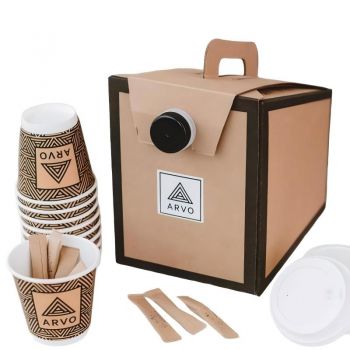
BDL 96OZ Drink Takeaway Box and Bag in Box for Hot Coffee
BDL Customized Baby Soap Packaging Box White Paper Box
BDL Wax Coated Paper Carton Grade Wax Fruit and Vegetable Paper Box