What is Spot UV in Packaging?

In the competitive landscape of product packaging, standing out on the shelf is non-negotiable. Brands are constantly seeking innovative finishing techniques to capture attention, convey quality, and leave a lasting impression on consumers. One such technique that has become a cornerstone of premium packaging design is spot UV coating—a versatile, eye-catching process that adds depth, texture, and sophistication to any package. But what exactly is spot UV in packaging, and why has it become a go-to choice for brands worldwide? Let’s dive into the details, benefits, applications, and industry insights that make spot UV an indispensable tool for modern packaging.
What Is Spot UV Coating?
Spot UV (short for “spot ultraviolet coating”) is a specialized printing finishing technique where a clear, glossy, or matte UV-curable coating is applied to specific areas of a packaging design—rather than covering the entire surface (known as full UV coating). The coating is cured instantly using ultraviolet light, creating a durable, high-contrast finish that contrasts with the underlying paper or cardstock.
Unlike traditional varnishes, spot UV is precise: it can be applied to logos, text, graphics, borders, or even intricate patterns, highlighting key elements of the packaging to draw the consumer’s eye. The result is a tactile, visual difference that elevates the perceived value of the product—think of it as adding a “luxury accent” to your packaging.
Key Terms to Know (International Industry Vocabulary)
To navigate the global packaging landscape, familiarize yourself with these standard terms associated with spot UV:
- Spot UV Coating / Spot UV Varnish
- UV-Curable Coating
- Selective UV Coating
- Gloss Spot UV / Matte Spot UV
- Raised Spot UV (3D Spot UV)
- Dry Offset UV Coating
- Flexographic Spot UV
- Digital Spot UV
- Overprint Varnish (OPV) – often used interchangeably in some regions, but spot UV is a targeted subset
How Does Spot UV Work?
The spot UV process involves several key steps, blending precision printing technology with UV curing:
1. Design Preparation: The packaging design is finalized with clear specifications for where the spot UV will be applied (e.g., logo, tagline, or graphic element). This is typically outlined in a separate “UV layer” in the design file (e.g., Adobe Illustrator or Photoshop).
2. Printing the Base Design: First, the core packaging design (text, images, colors) is printed on the chosen substrate (paper, cardstock, corrugated board, or plastic) using offset, digital, or flexographic printing.
3. Applying the Spot UV Coating: Using a specialized printing plate or digital printer, the clear UV coating is applied only to the pre-determined “spot” areas. For offset printing, this uses a separate plate; for digital packaging, it’s often done via inkjet technology.
4. UV Curing: The coated substrate passes under UV lamps, which instantly harden (cure) the coating. This curing process ensures the finish is scratch-resistant, smudge-proof, and ready for immediate processing (no drying time needed).
5. Finishing: The package is then cut, folded, or assembled into its final form—with the spot UV accents now a permanent, striking feature.
Why Brands Love Spot UV in Packaging: Key Benefits

Spot UV isn’t just a decorative add-on—it’s a strategic choice that delivers tangible business value. Here’s why it’s a favorite among global brands:
1. Enhances Visual Appeal & Shelf Presence
The contrast between the glossy/matte spot UV and the uncoated or matte substrate creates visual drama. Logos pop, text becomes more readable, and intricate designs gain depth—making your package stand out amid a sea of generic options. In retail environments, this “stop-and-stare” effect directly boosts brand recognition.
2. Conveys Premium Quality & Brand Credibility
Perception is reality in packaging. Spot UV signals craftsmanship and attention to detail, positioning your product as high-end. Consumers associate tactile, finished packaging with quality—whether it’s a luxury skincare box, a premium beverage can, or a high-end electronics package. Studies show that 72% of consumers judge a product’s quality based on its packaging (IPSOS), and spot UV is a cost-effective way to amplify that perception.
3. Adds Tactile Texture (Sensory Engagement)
Modern consumers crave sensory experiences, and spot UV delivers. Glossy spot UV feels smooth and sleek, while matte spot UV offers a subtle, velvety texture. Raised spot UV (3D spot UV) takes this further, adding a slight embossed feel that encourages consumers to touch and interact with the package—strengthening emotional connection and brand recall.
4. Durability & Protection
UV-curable coatings are inherently durable: they resist scratches, fingerprints, moisture, and fading, protecting the packaging (and the product inside) during shipping, handling, and storage. This is especially valuable for products with long shelf lives or those sold in high-traffic retail environments.
5. Versatility Across Substrates & Applications
Spot UV works with nearly all packaging substrates:
- Paper and cardstock (for boxes, sleeves, and labels)
- Corrugated board (for shipping boxes and retail displays)
- Plastic (for cosmetic jars, food containers, and blister packs)
- Metal (for beverage cans and tin packaging)
It’s also compatible with other finishing techniques, such as embossing, debossing, foil stamping, or die-cutting—allowing brands to create layered, multi-dimensional packaging designs.
Global Applications: Industries Using Spot UV Coating
Spot UV is a universal technique, trusted by brands across industries worldwide. Here are some of its most common uses:
- Cosmetics & Beauty: Logos on lipstick tubes, product names on skincare boxes, and intricate patterns on perfume packaging (e.g., gloss spot UV on matte black boxes for a luxury feel).
- Food & Beverage: Brand logos on snack bags, text on wine labels, and decorative accents on chocolate boxes (matte spot UV is popular for “artisanal” brands).
- Electronics: Product specs on phone cases, logos on laptop boxes, and protective coatings on gadget packaging (durability is key here).
- Luxury Goods: Subtle spot UV on leather-like packaging, monograms on gift boxes, and raised spot UV on high-end fashion accessories.
- Pharmaceuticals & Healthcare: Clear spot UV on pill bottle labels (for readability and protection) and brand logos on medical device packaging.
- E-Commerce: Unboxing experiences—spot UV on shipping boxes, branded tape, or insert cards to surprise and delight customers.
Spot UV Trends: What’s Hot in Global Packaging
As packaging design evolves, spot UV continues to innovate. Here are the latest trends shaping its use:
- Matte Spot UV on Glossy Substrates: Reversing the classic contrast (matte coating on glossy paper) for a modern, understated luxury look—popular in sustainable and minimalist brands.
- 3D Raised Spot UV: Adding micro-embossing to the UV coating for a tactile, dimensional effect that’s perfect for logos and product names.
- Digital Spot UV: Enabling short-run, on-demand packaging (ideal for small brands or limited-edition products) with faster turnaround times and lower setup costs.
- Eco-Friendly UV Coatings: Water-based, low-VOC (volatile organic compound) UV coatings that align with global sustainability goals—appealing to eco-conscious consumers and brands.
- Combination Finishes: Pairing spot UV with foil stamping (e.g., gold foil logo + gloss spot UV border) or soft-touch lamination for a multi-sensory experience.
Choosing Spot UV for Your Packaging: Key Considerations
To maximize the impact of spot UV, keep these factors in mind:
- Design Clarity: Ensure the areas receiving spot UV are well-defined (avoid tiny text or overly intricate patterns that may blur during application).
- Substrate Compatibility: Test the UV coating on your chosen substrate—some papers absorb coating differently, affecting the finish.
- Finish Type: Gloss spot UV is bold and attention-grabbing; matte spot UV is subtle and sophisticated. Choose based on your brand personality.
- Budget: Spot UV is cost-effective for medium-to-large runs (offset printing), while digital spot UV works better for small batches.
- Global Compliance: Ensure the UV coating meets international safety standards (e.g., FDA approval for food packaging, REACH compliance in the EU) if selling globally.
Final Thoughts: Spot UV as a Brand Differentiator
In a world where consumers are bombarded with choices, spot UV in packaging is more than a finishing touch—it’s a strategic investment in brand identity and consumer engagement. By highlighting key design elements, conveying quality, and creating a memorable sensory experience, spot UV helps your product rise above the competition.
Whether you’re launching a new product, rebranding, or looking to upgrade your packaging, spot UV offers endless possibilities to align your packaging with your brand’s values—from luxury and sophistication to modernity and sustainability.
Ready to incorporate spot UV into your packaging design? Birtleypack with a trusted packaging manufacturer that specializes in UV finishing to ensure precision, quality, and results that resonate with your target audience.
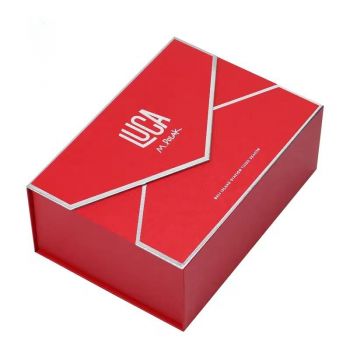
BDL Custom Luxury Magnetic Gift Box
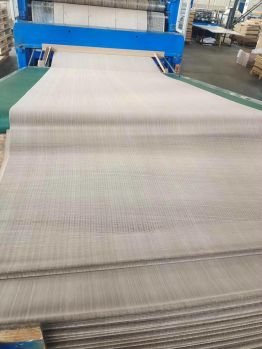
Bdl Custom China Factory Continuous Paper Honeycomb Paper Sheet
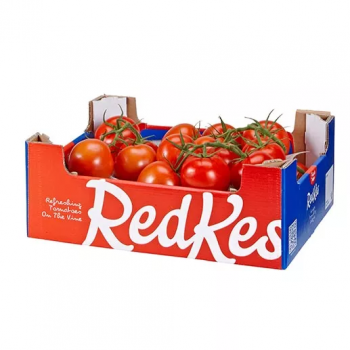
BDL Wholesale Custom 15lb Tomato Packaging Corrugated Box