What Is Offset Printing?

Offset printing is a common commercial printing technique where ink is first transferred from a printing plate to a rubber blanket, then onto the printing material (like paper or plastic).
Its core advantage lies in high-quality, consistent image reproduction and cost-effectiveness for large print runs, making it widely used for books, magazines, packaging, and posters. Unlike digital printing, it has a setup cost but becomes cheaper per unit when printing in large quantities.
Why consider offset printing for your business
Offset or lithography is a traditional printing method that forwards the ink to a rubber blanket from a metal plate and then to the printing surface. It is an indirect technique to create clear and sharp text and images. You can consider this printing option for the large prints due to the high-quality and consistent results.
Considerations
1. Cost-effectiveness for large batches: While it has initial setup costs for plates, the per-unit printing cost drops significantly when the quantity is large (e.g., over 500 pieces). This is far more economical than digital printing for mass-produced materials like brochures, product catalogs, or packaging boxes.
2. Superior print quality: It delivers high-resolution, consistent colors and sharp details, especially for complex graphics, gradients, or Pantone spot colors. This ensures brand materials (such as corporate manuals or high-end product posters) look professional and premium, enhancing brand image.
3. Versatility in materials: It works with a wide range of substrates beyond regular paper, including cardboard, plastic, metal, and fabric. This is critical for businesses that need specialized prints, like custom packaging for cosmetics or branded stickers on plastic containers.
How Does Offset Printing Work?
How does the printing press work? The offset printing process can be used in different steps ranging from the design preparation to running the print job. It is essential to understand how offset works on different packaging options such as cardboard food boxes.
1. Plate Preparation: A metal printing plate is created, where the image area (to be printed) is oil-absorbent, and the non-image area is water-absorbent.
2. Inking & Dampening: The plate is first dampened with water (which adheres only to non-image areas) and then rolled with ink (which adheres only to oil-based image areas).
3. Blanket Transfer: The inked image is transferred (offset) from the metal plate to a rubber blanket, not directly to the material. This step softens the image and ensures it fits uneven surfaces.
4. Final Printing: The rubber blanket presses the inked image onto the target material (paper, plastic, etc.), completing the print.
Offset Printing vs Digital Printing Methods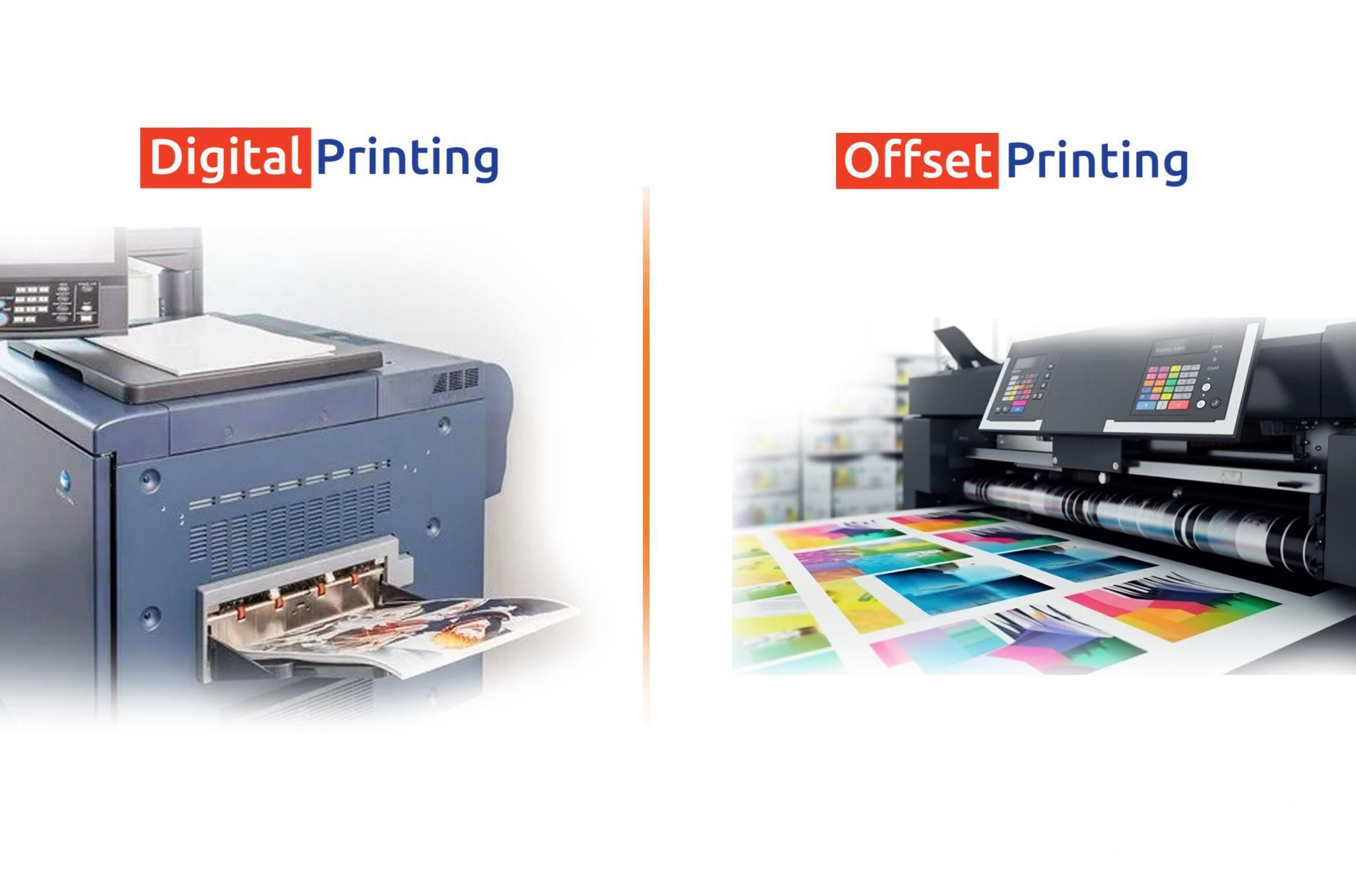
Offset Printing
Perfect for High Volumes: This is an affordable option for high-volume production.
Time Taking Process: Plate setup and preparation are required, which is a time-consuming process.
Superior Quality: Production of high-quality images and consistent results while ensuring excellent color accuracy.
Digital Printing
Ideal for Small Volumes: A digital offset printer is a perfect choice without the setup plates. Affordable option to produce small prints for your business.
Lower Quality for Large Volume: Digital printing faces challenges in achieving high-quality results for large prints.
Fast Turnaround: It is a faster approach for short runs due to the absence of plates.
Applications
Offset printing applications are mentioned below:
Books
Brochures
Newspapers
Packaging
Digital printing is an ideal choice for:
Business cards
Event flyers
Customizable prints
Technical Aspects and Settings for Offset Printing
The offset printing method comes with technical aspects to print the artwork on the packaging. You need to consider the color space when using the CMYK color for color reproduction. Digital printing utilizes an RGB color scheme.
Destination Color Space in InDesign for Offset Printing:
Destination color space InDesign for offset printing CMYK is ideal when you are using software such as Adobe InDesign. It ensures the ideal reproduction during the offsetting printing approach. Therefore, you can easily produce larger prints by setting up your press machine.
Machine Settings for Offset Printing
Machine offset printing should be operating with the following settings:
Impression Pressure: The rubber blanket applies pressure to transfer ink to the paper and ensure crispness.
Ink Density: It is important to adjust the ink amount to impact the final look, especially with darker color schemes.
Paper Weight and Type: Various papers have different approaches to absorbing ink. It is essential to choose the ideal type to achieve the desired results.
Applications of Offset Printing
Offset is a versatile option for a number of products in different industries.
Brochures and Flyers: Ideal option for bulk production of flyers and brochures at a cost-effective rate.
Magazines and Newspapers: Phenomenal printing approach to produce a larger quantity of images and text while maintaining premium quality.
Product Packaging: The printing process is a fabulous choice for premium packaging materials such as product cartons or perfume boxes.
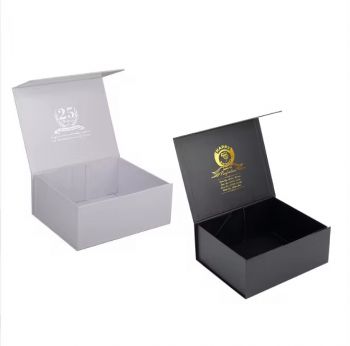
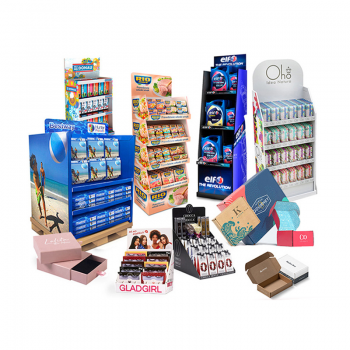
BDL Rotating Cardboard Display Rack for Nuts, Bread and Coffee
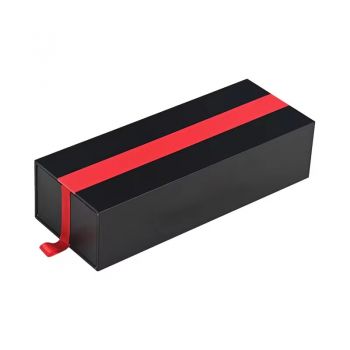
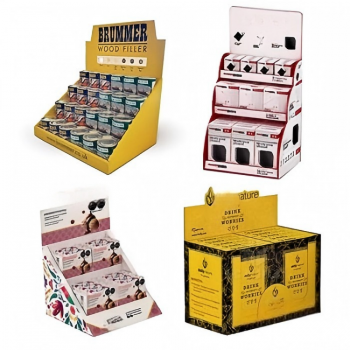
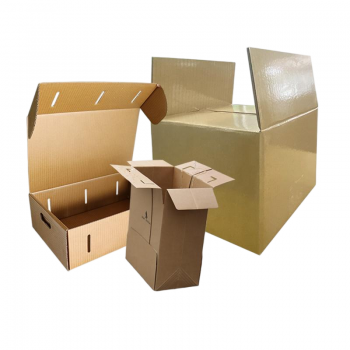
BDL Wax Coated Printing for Fresh Fruits,Seafood,Vegetable Packaging
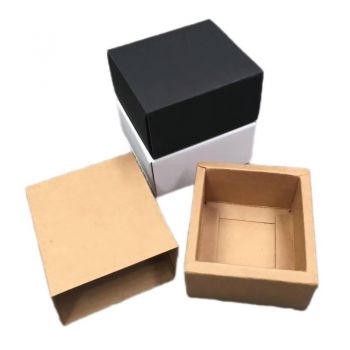
BDL Custom Logo Small White Black Kraft Paper Drawer Box For Soap