What Is Flexographic Printing? A Comprehensive Guide for Packaging Professionals

In the dynamic world of packaging, flexographic printing (often called “flexo printing”) stands as a cornerstone technology—renowned for its versatility, efficiency, and ability to bring vibrant, durable designs to a wide range of substrates. For packaging manufacturers, brand owners, and industry partners seeking high-quality, cost-effective printing solutions, understanding flexo printing is key to elevating product appeal and meeting market demands. Let’s dive into the essentials of this widely used technique, its applications in packaging, and why it remains a top choice for global packaging exports.
What Exactly Is Flexographic Printing?
Flexographic printing is a relief printing method that uses flexible rubber or photopolymer plates with raised images. Ink is transferred from these plates onto the substrate (material being printed) through a series of rotating cylinders, creating crisp, consistent designs. Think of it as a modern twist on traditional rubber stamping—scaled up for high-volume production with precision and speed.
The process relies on three core components:
- Anilox roller: A textured cylinder that meters ink uniformly onto the printing plate, ensuring consistent ink coverage (critical for bold, even colors).
- Flexible printing plates: Custom-made to match the desired design, these plates bend to fit the cylinder, making them ideal for curved or irregular substrates.
- Substrate compatibility: Unlike some printing methods, flexo works with a wide range of materials, from paper and cardboard to plastics, films, and even non-wovens—perfect for diverse packaging needs.

Why Flexo Printing Dominates the Packaging Industry
For packaging companies focused on quality, efficiency, and global competitiveness, flexo printing offers unmatched advantages:
1. Versatility Across Substrates
Packaging demands vary—from corrugated boxes for shipping to flexible pouches for snacks and plastic labels for beverages. Flexo printing adapts seamlessly to these substrates, including:
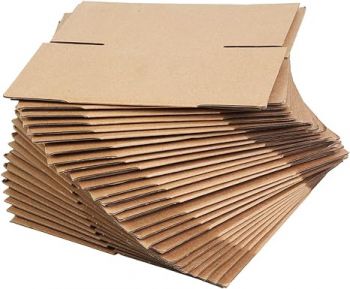
- Corrugated cardboard (shipping boxes, retail displays)
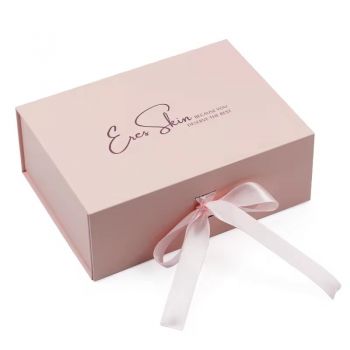
- Paper and paperboard (cartons, folders, gift boxes)
- Plastic films (BOPP, PE, PET for food packaging)
- Labels and stickers (adhesive labels for consumer goods)
This versatility makes it a one-stop solution for packaging manufacturers serving multiple industries.
2. High-Speed, High-Volume Production
In the fast-paced packaging sector, turnaround time is critical—especially for export-focused businesses. Flexo presses operate at speeds of up to 2,000 feet per minute, handling large print runs efficiently without compromising quality. This makes it ideal for mass-produced packaging, reducing lead times and meeting tight export deadlines.
3. Cost-Effectiveness for Large Runs
While setup costs for flexo plates are moderate, the process shines in high-volume production. The simplicity of the machinery, low ink waste (thanks to the anilox roller), and fast run speeds lower the cost per unit—helping packaging companies maintain competitive pricing for global markets. For businesses exporting packaging boxes or materials, this cost efficiency directly boosts profitability.
4. Vibrant, Durable Prints
Modern flexo printing uses water-based, solvent-based, or UV-curable inks, each tailored to specific substrates and applications. UV-curable inks, in particular, offer exceptional durability, resistance to smudging, and vivid colors that stand out on retail shelves. This is crucial for packaging that needs to withstand shipping, handling, and storage—ensuring brands make a lasting impression.
5. Eco-Friendly Options
As sustainability becomes a global priority, flexo printing has evolved to meet green standards. Water-based inks reduce VOC emissions, while advancements in plate materials and recycling processes minimize environmental impact. For packaging companies emphasizing eco-friendly practices (a key selling point in today’s market), flexo printing aligns with sustainable business goals.
Common Applications in Packaging

Flexo printing is everywhere in the packaging world—you’ve likely encountered it on:
- Corrugated shipping boxes (branded with company logos, handling instructions)
- Retail packaging (cereal boxes, cosmetic cartons, toy packaging)
- Flexible packaging (snack pouches, coffee bags, stand-up pouches)
- Labels and shrink sleeves (bottles, cans, jars)
- Paper bags and shopping bags (custom-printed with brand designs)
For export-focused packaging businesses, flexo printing is especially valuable for creating packaging that complies with international standards—whether it’s multilingual labeling, barcode printing, or brand-specific designs that resonate with global consumers.
Flexo Printing vs. Other Packaging Printing Methods
How does flexo stack up against other popular techniques like offset lithography or digital printing?
Method Best For Key Advantage Over Flexo Key Disadvantage vs. Flexo
Flexographic Printing High-volume runs, diverse substrates Versatility, speed, cost per unit Less ideal for short runs (higher setup cost)
Offset Lithography High-quality paper printing (e.g., brochures) Ultra-crisp text, fine details Limited substrate compatibility
Digital Printing Short runs, custom designs No setup cost, quick turnaround Higher cost per unit for large runs
For packaging manufacturers, flexo printing strikes the perfect balance between quality, speed, and cost—making it the go-to choice for high-volume packaging production and exports.
The Future of Flexo Printing in Packaging
As technology advances, flexo printing continues to evolve. Innovations like computer-to-plate (CTP) systems, high-definition plates, and improved ink formulations are enhancing print quality, reducing setup time, and expanding substrate compatibility. Additionally, the integration of smart packaging features (e.g., QR codes, NFC tags) into flexo-printed designs is opening new opportunities for brands to engage consumers—from product traceability to interactive marketing.
For packaging companies looking to stay ahead in a competitive global market, investing in modern flexo printing technology is a strategic move. It not only improves production efficiency but also allows for greater design flexibility, helping brands stand out in crowded retail environments.
Conclusion
Flexographic printing is more than just a printing method—it’s a driving force behind the packaging industry’s ability to deliver high-quality, cost-effective, and versatile solutions. Whether you’re producing corrugated boxes for international shipping, flexible packaging for food products, or custom labels for consumer goods, flexo printing offers the speed, durability, and adaptability needed to succeed in today’s global marketplace.
At Xiamen Birtley Industry & Trading Co.,Ltd., we leverage state-of-the-art flexographic printing technology to create packaging that meets the highest standards of quality and design. Our team of experts works closely with clients to tailor solutions that align with their brand identity, production needs, and export goals—ensuring every package leaves a lasting impression.
Ready to elevate your packaging with flexographic printing? Contact us today to learn how we can help bring your vision to life.https://www.birtleypack.com/
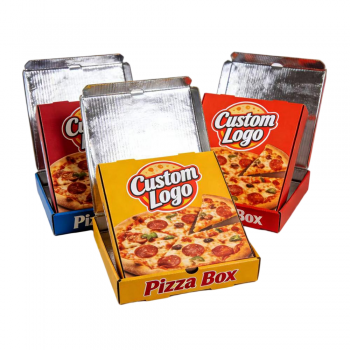
BDL Greaseproof Thermal Carton with Interior Foil Layer for Pizza
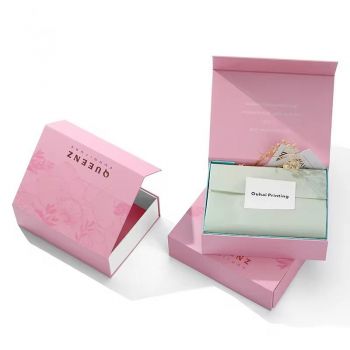
BDL Magnetic Folding Gift Box for Small Business Packaging
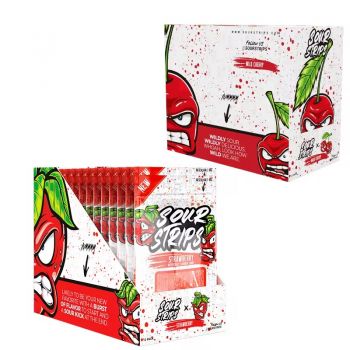
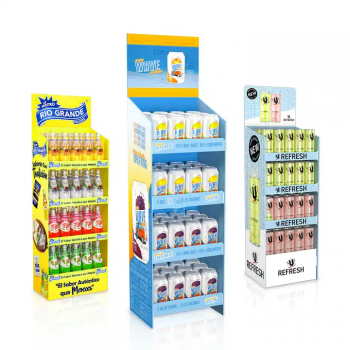
BDL Corrugated Drink Display Stand for Supermarket Retail
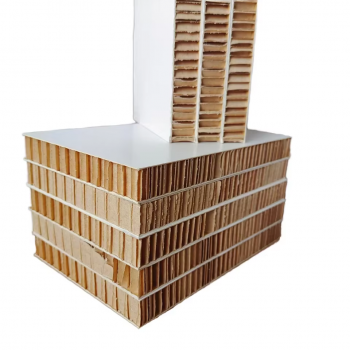
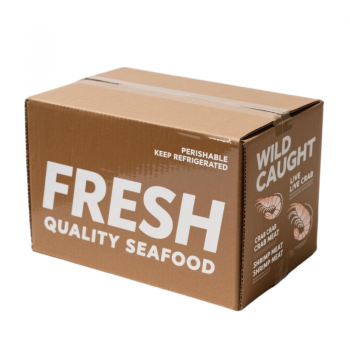
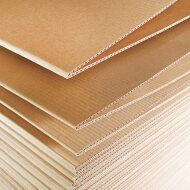
BDL Fanfold Corrugated Sheets Z-Fold Is Continuous Fiber Packaging Board