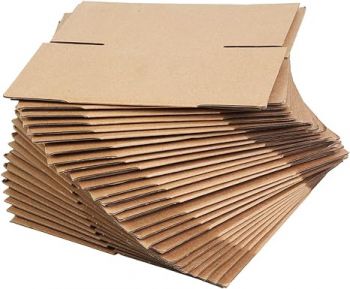
How can a flat paperboard sheet transform into a perfectly shaped box with precise dimensions? The answer is dielines. A dieline is the print of every modern packaging solution. If you want to create snug-fit packaging with eco-friendly preferences, you must choose BIRTLEYPACK, as we understand the dielines. We offer packaging solutions that cut, fold, and assemble based on accurate dielines, making your product packaging look great and improving its functionality.
Dielines have become increasingly important in today’s sustainable, precise, and efficient packaging industry. An authentic study shows that an increase in landfill material waste and high packaging costs is due to 80% of packaging errors caused by incorrect and imprecise dielining. So, it matters a lot whether you are a master dieliner.
You want to know all about the dielines, then buckle up because you are reading an ultimately complete beginner’s guide about dielines, their components, functionality, and methods of having the right ones.
Definition & Functionality: Dieline & Die
What Is a Dieline in Packaging?
A packaging needs to be cut, folded, and assembled before proper use. A dieline is a technical drawing that shows the correct way to perform all three rituals for better marketing and protective results. It is a template that acts as a guide for packaging printers and manufacturers.
You can take these dielines as a map of any packaging solution. It indicates some of the most important things to do for manufacturers, such as
Where to cut the material
Where to fold it
Where to apply glue
Where the artwork should be placed
In almost all packaging types, dielines play an important role.
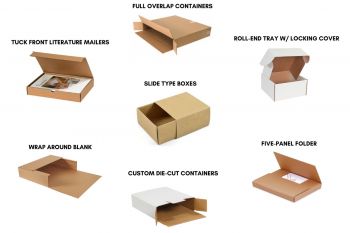
Folding cartons
Corrugated boxes
Labels and stickers
Custom packaging designs
It is their functionality to reduce the material waste and offer maximum dimensional accuracy, while custom packaging boxes are made with eco-friendly kraft, cardboard, rigid, and corrugated paper materials.
What Is A Die In Packaging?
A die is a custom-made metal tool used to shape, cut, and mold packaging materials during the packaging manufacturing process, ensuring precise, specific designs. Steel-rule die, and flexible or rotary dies are perfect examples of it.
Difference Between A Die And A Dieline
As we have mentioned above, a die is a physical tool for cutting and shaping materials. Dieline is a process of cutting and shaping these materials on given dimensions. It is a 2D digital template or blueprint of any packaging box. So, both are related to the packaging process.
What Does a Dieline Include? – 6 Core Components

A dieline is a combination of numerous technical elements. Every single one of them is important and plays a critical role in packaging designs and in maintaining the production line.
1. Cut or Trim Lines
Cut lines indicate where the box, sleeve, or label will be cut to its accurate and precise dimensions. It is shown by a solid line that represents the final shape of any solution. These lines guide the die-cutting machines to an accurate pattern.
No packaging shape will be correct without precise cut or trim lines. Also, it will lead to wasted materials and increase the environmental impact.
2. Fold or Score Lines
These lines indicate where the packaging will be folded without losing the dimensional and size accuracy. Fold or the dashed lines represent score lines. These specific lines help you create the box’s structure and shape and reduce cracking on printed surfaces.
If you are working with an eco-friendly paperboard, these lines are very important, as the material is very sensitive to improper folding.
3. Bleed Area
Have you ever seen an extra space outside the cut line? If yes, it is a bleed area. Generally, the bleed area is extended 3-5 mm beyond the trim line to prevent white edges outside the cutline. That specific area prevents full-color coverage.
Research has shown that a proper bleed-area setup can minimize print defects by up to 60% during the mass production of customized packaging boxes.
4. Safe Zone
A safe zone, or margin area, is the space where important and valuable content, such as text or logos, should stay far from the edges. It is a safe zone that prevents accidental trimming and improves the readability of brand names, messages, and product information.
Margin area expresses the packaging’s professionalism and brand consistency.
5. Glue Tabs
The area where adhesive tape or glue is applied is called the glue tabs. This allowed packaging solutions to assemble perfectly without losing integrity. No special printing of any kind is applicable to this area.
A solid, recyclable material-made box can easily lose its integrity only if the glue tab is placed incorrectly.
6. Perforation Lines
Perforation lines are used to facilitate easy tearing without damaging the other part of the packaging solution. These lines are shown as dotted or dashed lines. This type of packaging is popular for retail and food products.
These lines increase confidence and, overall, improve the customer experience.
Why Are Die lines Important in Packaging?
If you think the die lines are just technical drawings and play a very small role in packaging, you must read this article. Any kind of dieline is vital for efficient, proper, and sustainable packaging production, without being limited by industrial constraints. Buckle up if you wanna know the status of the packaging deadlines.
Ensures Accurate Printing
Dielines ensures accurate and error-free printing. It aligns custom artwork and graphics to the structure of the box. It maintains brand consistency by reducing the misprints and odd-looking brand logos and names.
You can save time and resources by avoiding misprints with a proper dieline.
Prevents Costly Errors
Die lines help you to avoid the expensive manufacturing and printing errors. Due to precise measurements, it reduces material waste, minimizes production delays, and avoids rework on designs and graphics.
According to a study, Packaging costs can increase by 30-50% when packaging errors are attempted to be fixed.
Helps Visualize Final Packaging
Visualizing packaging helps brands decide whether to get it. It is only possible with a dieline. An accurately made dieline allows designers to preview the final packaging using 3D mockups. You can increase the impact of your design decisions by visualizing the final packaging in a die. The importance of visualizing packaging dielines is heightened when brands seek eco-friendly packaging solutions.
Supports Mass Production
What does a precisely made dieline do? It ensures consistency across the large batches and speeds up the manufacturing process. You can get large runs of orders in a fraction of the time when a specifically designed and standardized packaging template die is in action.
In automated factories, the dielines are the backbone of smooth, continuous production.
Improves Unboxing Experience
Dielines ensure the proper folding and structure that enhance the product protection and presentation. People get an exciting unboxing experience and get a premium product feel.
Customer satisfaction heavily relies on the accuracy of a well-designed dieline.
5 Different Types Of Dielines In Packaging
There are many important types of dielines in packaging that are critical to understand. It is a packaging type that requires a different dieline depending on its nature and functionality.
1. Folding Carton Dielines
Folding cartons’ dielines are ideal for small and lightweight products. Many product manufacturers, especially those in the cosmetic boxes and food boxes, need them to create perfect packaging for their products. A food-grade, durable, and sustainable paperboard is used to create it.
2. Corrugated Box Dielines
These dielines are specifically designed for shipping boxes. They are strong and durable enough to withstand the bumpy rides. These dielines are popular among e-commerce businesses, as shipping is central to their business model.
3. Label & Sticker Dielines
Labels and stickers are used for brand promotions. A properly made dieline defines the shape and cuts of product labeling. With a precisely made die, you can keep label and sticker cutting accurate.
4. Sleeve Packaging Dielines
For wrap-around product sleeve packaging, dielines are crucial. They can be made with minimal materials and are ideal for sustainable packaging design across the industry.
5. Custom Structural Dielines
If you require unique shapes and designs, custom structural dielines are great. They are specifically designed for brand promotional activities. These dielines are ideal for luxury and enriched product packaging preferences.
How to Read a Dieline?
You want to use the dieline accurately, so first learn to understand it. Accurately reading the dieline is key to achieving the snug-fit packaging design. Stick with us if you want to learn how to read a dieline.
Line Color Meanings
Different color usage represents the different functions of a dieline. Red, blue, green, and black are the most commonly used colors to maintain dimensional accuracy.
Red – Cut lines
Blue – Fold lines
Green – Bleed area
Black – Artwork
Orientation Confusion (Upside-Down Panels)
Almost all the beginners get confused at this stage. They do not know how to avoid the orientation confusion of upside-down panels. To avoid mistakes, you must double-check the alignment.
Some panels may appear inverted and confuse you
This is normal in flat layouts or collapsed packaging designs
Always visualize & carefully examine the folding sequence
Layers Explanation
Every dieline is divided into multiple layers. You need to organize these layers to ensure smooth printing, production, and accurate cutting. There are layers.
Artwork layer
Cut layer
Fold layer
How To Create A Dieline? A Step-By-Step Guide
Innovation and technical precision are the core of creating a dieline for any packaging types. You miss the one, you will never get a perfect dieline. Let’s try to understand the entire process of creating an ideal packaging dieline with this detailed beginner’s guide.
Step 1: Choose Packaging Type
It is the first thing to consider in creating a dieline: what kind of packaging solution you are opting for. What do you want to design? Whether you want to design a box, label, or sleeve, the die must be created to suit the packaging solution. You must approach different structural requirements for creating the different packaging types.
Step 2: Define Dimensions
Now, measure your product’s dimensions carefully. If you want an accurate-sized bag, box, or sleeve, then you must get the Length, Width, and Height of your product and create the dieline accordingly. It is also a first step towards practicing sustainable production by reducing material waste.
Step 3: Use Design Software
Many efficient and easy-to-use design tools help you to create the most precise and custom dieline. AI (Adobe Illustrator) and CAD are popular software for creating precise vector-based packaging designs.
Step 4: Add Technical Lines
Now, add some technical lines to the dieline, such as cut lines, fold lines, bleed, and glue tabs. These lines are excluded from the accurate product measurements. Line styles and coloring are important in this regard.
Step 5: Export Print-Ready File (AI/PDF)
Your dieline is almost ready to use. Now save it in high-resolution formats. Ensure all layers are intact, export it as a print-ready file (e.g., PDF or AI), and share it with the manufacturer. For smooth production, a clean die line file is crucial.
Dieline in the Packaging Production Process
Usage of dielines is vital in the packaging production process. Dielines remain important for almost every packaging step. But how? This comprehensive guide will explain how this is important to the packaging process.
Design Stage
Dielines are the core of the designing stage. In packaging, designers create a dieline and place a beautiful, enriched, and theme artwork according to client demand. Further, the whole packaging process relies on the initial design of custom boxes.
Proofing Stage
After the designing, it’s time to create the sample packaging solutions. Manufacturers do that to check the errors of any kind, and guess what, what do you think they use to check the errors? The very design they use.
3D Mockup
Now, the digital preview or sample of the product is created. It helps clients visualize what they will look like in real life.
Die-Cutting
Now, after the client’s finalizations, the packaging is created and ready for cutting. Dielines are used to ensure precise cutting, as machines can’t do that without the previously created dieline.
Final Assembly
After the die-cutting, custom product boxes are ready for folding and gluing. That gives you boxes a final shape and makes them ready to use for retailing, displaying, or shipping processes.
What Are The Vital Tools Used To Create Dielines?
Creating a dieline is not easy, but many tools make it easier. Allow us to point out some of the most incredible tools that help you to create an innovative dieline for any kind of product packaging.
ArtiosCAD: Industrial-standard ArtiosCAD stays at the top of the list. This magnificent tool is known for its advanced structural design approach and supports complex packaging. But only the professionals can accurately use it to make any dieline.
Adobe Illustrator: It is another important and highly efficient delineating tool. For designing, it is beyond limitations and also very easy to learn. It is best for supporting vector graphics.
Esko Studio: If you want 3D visualization in a dieline and perfect mockups for any design, then Esko Studio is the best option. You can enhance design accuracy by using it.
Online Dieline Generators: Last but not least, Online Dieline Generators are perfect for beginners. It is used to produce the quick templates. You can create any simple design in the blink of an eye.
Final Thoughts
What are dielines & what is their purpose? If you think they are just prolonging or complicating the packaging process, you are wrong. Let me tell you that it is a dieline that ensures the accuracy, functionality, and visual appeal of the custom packaging box. Today, the whole world is focusing on eco-friendly and biodegradable packaging solutions. It is a dieline that helps reduce waste and improve packaging efficiency.
If you understand the functionality and importance of dieline in packaging, then you can experience the striking results such as,
You can create better-looking packaging designs
Minimize the risk of costly mistakes
Support the sustainable packaging practices
Mastering the dieline is critical to evolving your packaging preferences. If you want to understand more clearly and easily, let Birtleypack create a visual dieline example and a real packaging template. Contact us.
FAQs:
What is the purpose of a dieline?
The main purpose of a dieline is to ensure accuracy and consistency in production. It is basically a technical blueprint for cutting, folding, and assembling the packaging boxes.
What is the difference between a dieline and a die-cut?
Dieline and die-cut are totally different components of packaging. A dieline is a digital design template for any product packaging solution, and die-cutting is the process of cutting packaging materials according to that template.
What is the file format for a dieline?
There are a few common file formats included for a dieline. AI (Adobe Illustrator), PDF, and EPS are the most general formats to consider. These formats are best for vector graphics and precise packaging measurement.
Can I create a dieline in Illustrator?
Absolutely, it is a precise and flexible format for creating a dieline. You can create a perfect dieline using this popular file format.
What size bleed should I use?
Proper, precise printing without white edges is necessary. For this, you need a bleed size of 3-5 mm.
Do I need a dieline for custom packaging?
Of course, Integral structural designs, accurate & precise measurements, and proper use of sustainable materials are components of custom packaging, and to do that, you need a dieline.
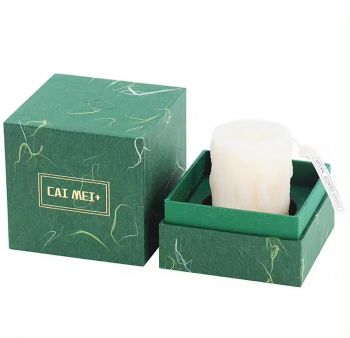
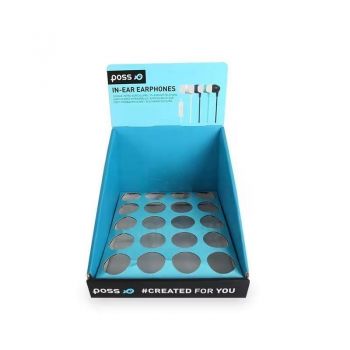
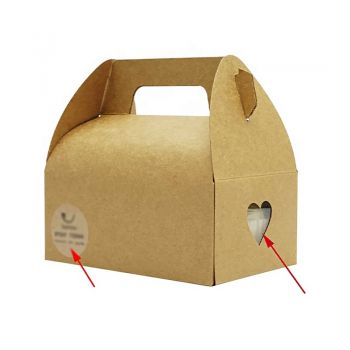
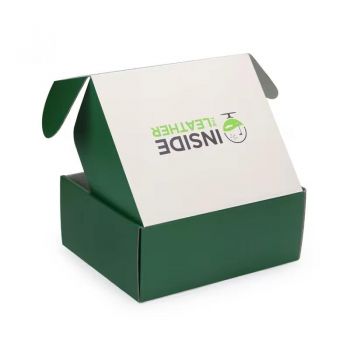
BDL Magnetic Rigid Gift Box and Case for Hair Extension Sets
BDL Hot New Portable Small Cardboard Paper Counter Packaging Box