What Is a CBM in Shipping and How to Calculate It?
If you’re involved in international trade—whether you’re a small business shipping products overseas or a logistics manager coordinating bulk cargo—you’ve probably come across the term “CBM” in quotes, shipping documents, or conversations with freight forwarders. But what exactly is CBM, why is it so critical for shipping, and how do you calculate it accurately to avoid costly mistakes? This guide breaks down everything you need to know about CBM, from its definition to step-by-step calculations and pro tips for seamless shipping.
What Is CBM in Shipping?
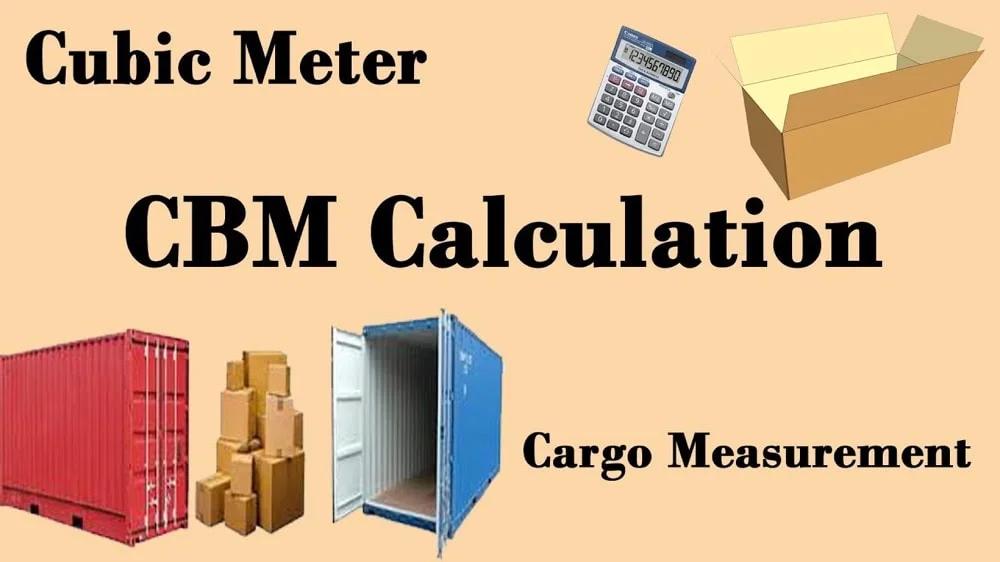
CBM stands for Cubic Meter—the global standard unit of measurement for calculating the volume of cargo in international shipping. Unlike weight (measured in kilograms or pounds), CBM focuses on the physical space your goods occupy in a container, truck, ship’s hold, or airplane cargo bay.
Why does this matter? Carriers (shipping lines, airlines, freight companies) use a “chargeable weight” system to determine how much to bill you. They’ll compare your cargo’s actual weight (gross weight) to its volumetric weight (derived from CBM) and charge you for the higher of the two. This is especially important for lightweight but bulky items (e.g., furniture, textiles, packaging, or consumer goods)—ignoring CBM could lead to unexpected surcharges, delayed shipments, or overpaying for unused space.
In short: CBM is the foundation of accurate shipping quotes, cargo space booking, and cost control in international trade.
Why CBM Matters for Your Shipping Operations
Whether you’re shipping small parcels or full container loads (FCL), understanding CBM is non-negotiable for these key reasons:
- Accurate Quoting: Freight forwarders and carriers use CBM to provide precise quotes. Miscalculating CBM means you might receive a lower initial quote that jumps up with “hidden” volumetric weight charges later.
- Space Optimization: Knowing your cargo’s total CBM helps you choose the right container size (20ft, 40ft, 40ft HC, etc.) or book the correct amount of LCL (Less Than Container Load) space—avoiding overcrowding or wasting money on unnecessary space.
- Compliance & Documentation: Shipping documents like the commercial invoice, packing list, and bill of lading require accurate CBM declarations. Errors here can lead to customs delays or penalties.
- Cost Savings: By calculating CBM correctly, you can negotiate better rates with carriers, optimize packaging to reduce volume, and avoid last-minute fees for exceeding declared volume.
How to Calculate CBM: Step-by-Step Guide
Calculating CBM is simple—all you need is the dimensions of your cargo and a basic formula. Here’s a step-by-step breakdown for both single items and multiple packages:
Key Formula for CBM
CBM = Length (m) × Width (m) × Height (m)
Step 1: Measure Your Cargo Correctly
First, measure the external dimensions of your packed goods (not internal dimensions—carriers use the space the item actually takes up). Use meters (m) as the unit (since CBM is cubic meters). If your tape measure uses centimeters (cm) or inches, convert to meters first:
- 1 cm = 0.01 m (e.g., 50 cm = 0.5 m)
- 1 inch = 0.0254 m (e.g., 24 inches = 0.6096 m)
Pro tip: For irregularly shaped items (e.g., a curved chair, a bulky machine part), measure the “maximum length, width, and height” (the smallest rectangular box that could enclose the item). This is what carriers will use to calculate space.
Step 2: Calculate CBM for a Single Item/Package
Let’s use a practical example: Suppose you’re shipping a carton of products with external dimensions:
- Length = 80 cm (0.8 m)
- Width = 50 cm (0.5 m)
- Height = 30 cm (0.3 m)
CBM for 1 carton = 0.8 m × 0.5 m × 0.3 m = 0.12 CBM
Step 3: Calculate Total CBM for Multiple Packages
If you’re shipping multiple identical packages, multiply the CBM of one package by the total quantity.
Example: You’re shipping 200 of the above cartons:
Total CBM = 0.12 CBM/carton × 200 cartons = 24 CBM
For mixed packages (different sizes), calculate CBM for each package type separately, then add them together:
- Package 1: 0.12 CBM × 150 = 18 CBM
- Package 2: 0.2 CBM × 80 = 16 CBM
- Total CBM = 18 + 16 = 34 CBM
Step 4: Convert CBM to Volumetric Weight (If Needed)
Carriers use volumetric weight to compare against actual weight. The conversion formula varies by carrier and mode (sea vs. air), but the most common is:
- Volumetric Weight (kg) = CBM × 1000 (for sea freight)
- Volumetric Weight (kg) = CBM × 167 (for air freight)
Example: For 24 CBM of cargo:
- Sea freight volumetric weight = 24 × 1000 = 24,000 kg
- Air freight volumetric weight = 24 × 167 = 4,008 kg
If your cargo’s actual weight is 18,000 kg, you’ll be charged for 24,000 kg (volumetric weight) for sea freight—since it’s higher.
Pro Tips to Avoid CBM Mistakes
Even small errors in CBM calculations can lead to big headaches. Here’s how to get it right every time:
1. Use External Dimensions Only: Never use internal box dimensions—packaging material (e.g., bubble wrap, tape) adds bulk, and carriers measure the total space occupied.
2. Round Up to the Nearest Centimeter: If your measurement is 0.732 m, round to 0.74 m—carriers often round up to avoid disputes.
3. Account for Pallets: If shipping on pallets, include the pallet’s dimensions in your calculation (e.g., a standard pallet is 1.2 m × 1.0 m × 0.15 m).
4. Optimize Packaging: Use custom-sized boxes to reduce empty space—smaller volume means lower CBM and cheaper shipping.
5. Verify with Your Forwarder: Always share your CBM calculation with your freight forwarder for confirmation—they can cross-check against carrier requirements.
Common CBM Questions Answered
Q: Is CBM the same for sea and air freight?
A: The CBM calculation (volume) is the same, but the volumetric weight conversion differs (air freight uses ×167, sea freight uses ×1000).
Q: Do I need to calculate CBM for LCL shipments?
A: Yes—LCL rates are based on volume (CBM), so accurate calculations ensure you pay only for the space you use.
Q: What if my cargo is very heavy but not bulky?
A: Carriers will charge based on actual weight (since it’s higher than volumetric weight)—this is called “dead weight” pricing.
Final Thoughts: Master CBM for Smoother Shipping
CBM might seem like a small detail, but it’s a make-or-break factor in international shipping. By understanding what CBM is, how to calculate it, and why it matters, you can avoid costly mistakes, negotiate better rates, and keep your shipments on track. Whether you’re a seasoned exporter or new to global trade, mastering CBM is a simple way to streamline your logistics and boost your bottom line.
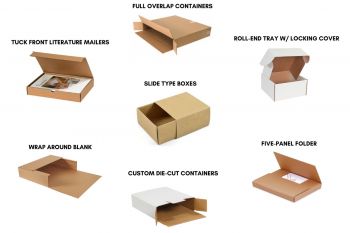
To get assistance with your custom shipping boxes and ensure you can minimize your shipping costs, you can get in contact with Xiamen Birtley Industrial & Trading Co.,Ltd. today!