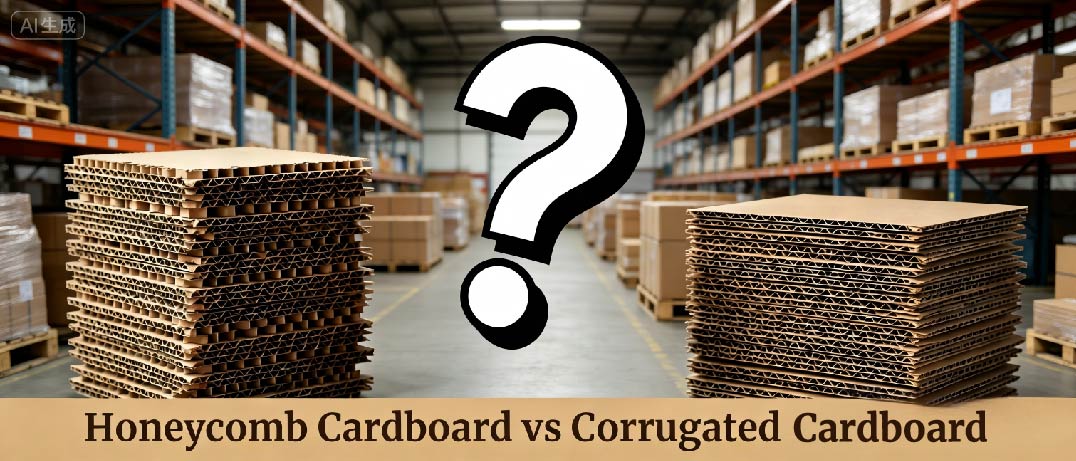
Honeycomb Cardboard vs Corrugated Cardboard: Global Industrial Packaging Comparison Guide
Honeycomb cardboard and corrugated cardboard are the two most widely used paper-based packaging materials in global manufacturing and cross-border logistics. Both options are fully recyclable, highly versatile and adaptable to diverse supply chain scenarios. That said, their build structure, physical performance, load-bearing capabilities and ideal use cases differ significantly.
Choosing the right material directly impacts your cargo safety, shipping expenses and sustainability targets. This practical comparison guide helps global procurement and packaging teams select the best solution for pallet layering, transit protection, product bracing and international freight operations.
What Is Honeycomb Cardboard?
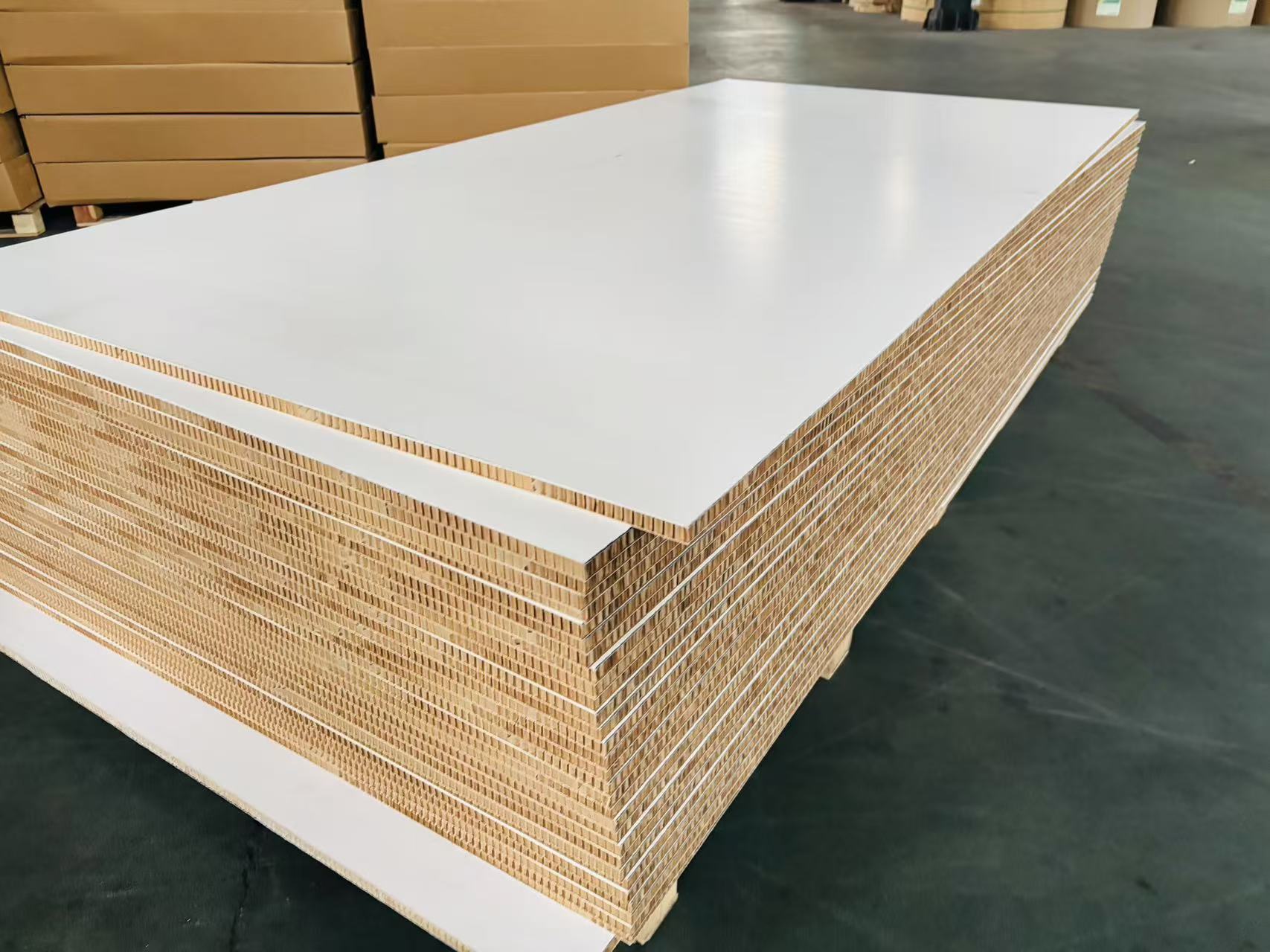
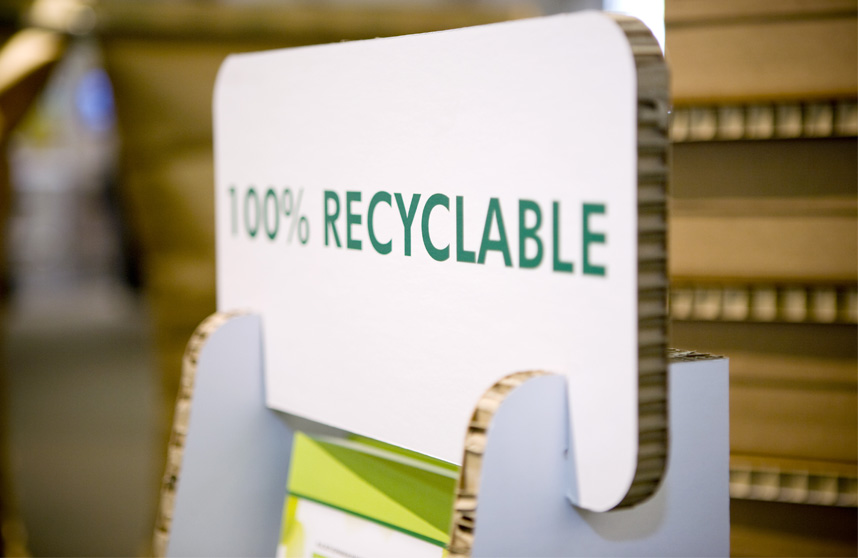
Honeycomb cardboard is a purpose-built structural packaging material engineered for heavy-duty protection. It features a lightweight hexagonal paper core sandwiched between sturdy kraft liner boards, delivering exceptional rigidity and far better strength-to-weight ratio than conventional paper packaging.
Taking structural inspiration from natural honeycombs, its interconnected six-sided cells spread weight evenly across the entire panel. Made up of 85–95% air by volume, it uses minimal raw material while resisting compression, impact and bending stress extremely well.
Popular across global industrial logistics, honeycomb cardboard is available in custom sheets, rolls, pallet layers and edge protectors. BirtleyPack’s premium BirtleyBoard series comes with adjustable cell sizes and thicknesses, covering light, medium and heavy-duty shipping requirements worldwide.
What Is Corrugated Cardboard?
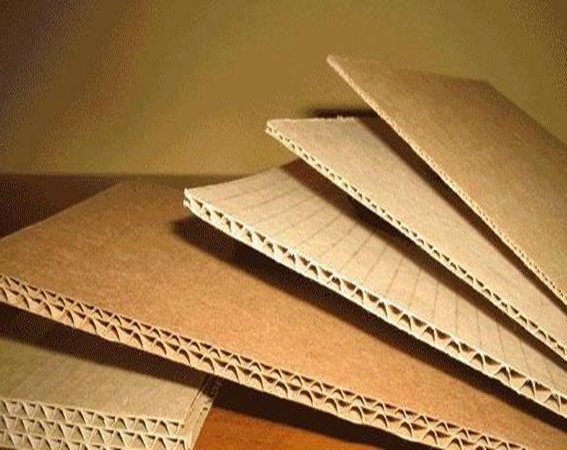
Corrugated cardboard is the go-to flexible packaging material for general shipping and retail distribution globally. It is manufactured by bonding wavy fluted paper between flat kraft liners, creating a foldable, shock-absorbent structure that works seamlessly with high-speed automated packaging lines.
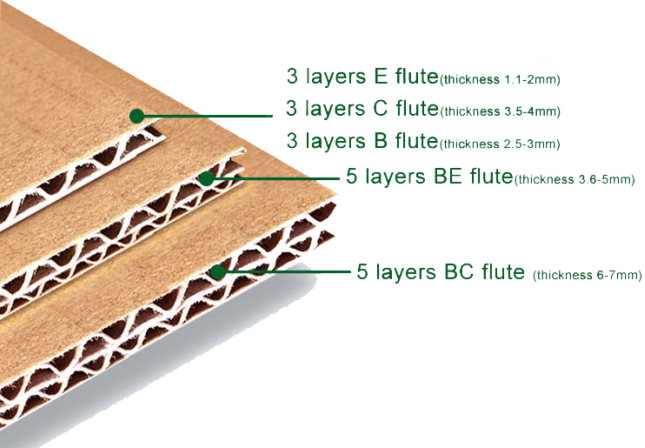
It is offered in single-wall, double-wall and triple-wall grades to handle different product weights. A full range of flute profiles (A, B, C, E, F) balances cushioning performance and print quality, suiting both industrial transit and branded retail packaging.
As a mainstream commodity packaging material, corrugated cardboard is affordable, widely available and easy to process. It remains the primary choice for standard shipping cartons, mailers and high-volume general packaging production worldwide.
| Comparison Factor | ||
| Internal Structure | 3D hexagonal cell network, evenly distributes load in all directions | Parallel fluted waves, strength only effective along the flute direction |
| Strength-to-Weight Efficiency | Industry-leading structural efficiency with minimal weight | Solid standard strength but limited by directional constraints |
| Compression Resistance | Excellent stable pressure resistance from all angles | Strong vertical support, weak against horizontal pressure |
| Standard Weight (m²) | 800–1200g/m² (20–30mm panel) | 500g/m² (single-wall) / 1600g/m²+ (triple-wall) |
| Thickness Range | 10mm – 100mm+, ideal for heavy industrial scenarios | 3mm – 16mm, suitable for standard carton packaging |
| Printing Performance | Basic print capability only, not suited for premium branding | Smooth print surface for high-quality branded retail packaging |
| Recyclability | 100% paper-based, fully recyclable globally | Widely recyclable globally (excluding wax or plastic-coated grades) |
| Moisture Resistance | Average natural resistance, custom moisture-resistant coatings available | Basic water resistance, upgradeable with wet-strength treatment |
| Core Applications | Pallet layers, edge protection, structural panels, wood and foam replacement | Shipping boxes, mailers, retail displays, automated packaging lines |
| Cost Profile | Higher unit price, but delivers long-term logistics and damage savings | Low upfront cost, yet carries higher long-term weight and damage risks |
Sustainability & Global Packaging Compliance
Both honeycomb and corrugated cardboard are pure paper-based, biodegradable and globally recyclable, offering greener alternatives to plastic, foam and solid wood packaging.
Honeycomb’s high air-void structure uses far less raw paper to deliver equal protection. This reduces material waste and effectively lowers the carbon footprint of every shipment.
With global sustainability rules growing stricter each year, lightweight recyclable honeycomb packaging helps businesses meet carbon reduction targets and lower compliance costs. Both materials help eliminate single-use non-recyclable packaging waste for more sustainable global logistics operations.
Key Applications: Honeycomb vs Corrugated Cardboard
Best Use Cases for Honeycomb Cardboard
Heavy-Duty Pallet Layering: Stabilises stacked inventory, evenly distributes heavy loads and prevents product crushing during international transit and warehouse storage.
BirtleyPack provides standard and custom-sized honeycomb pallet boards for diverse industrial needs.
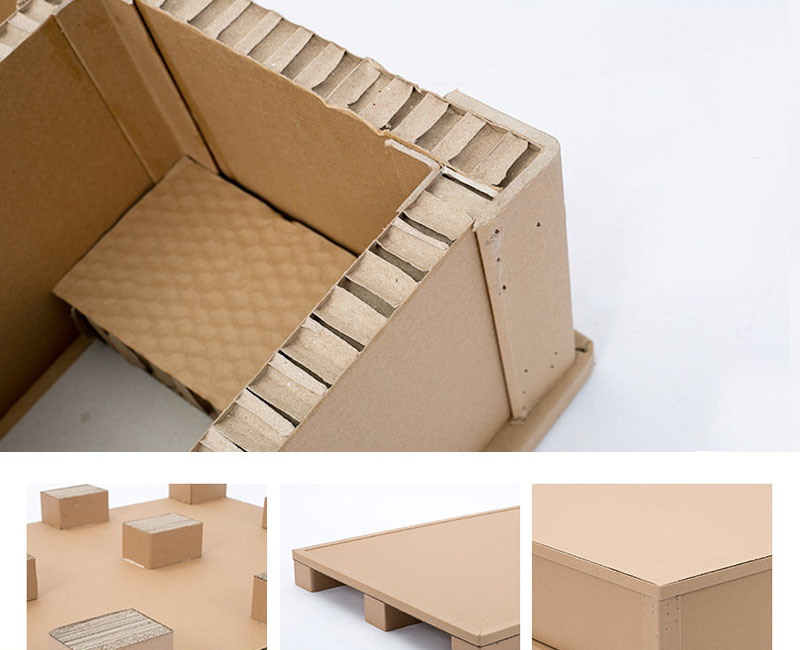
Industrial Edge Protection: Shields palletised goods from corner impacts, compression damage and forklift knocks during logistics handling.
Art & Print Packaging: Offers rigid, ultra-light internal support for framed artworks, photos and printed materials, ideal for safe cross-border shipping of high-value flat goods.
Foam & Wood Packaging Replacement: Acts as a fully recyclable alternative to EPS foam and wooden dunnage, fully compliant with global export packaging standards.
Lightweight Structural Panels: Widely used for exhibition stands, furniture components and automotive packaging where rigidity and low weight are essential.
Best Use Cases for Corrugated Cardboard
Automated Shipping Cartons & Mailers: Highly flexible for high-speed manufacturing, perfectly suited for large-volume standard cargo packaging.
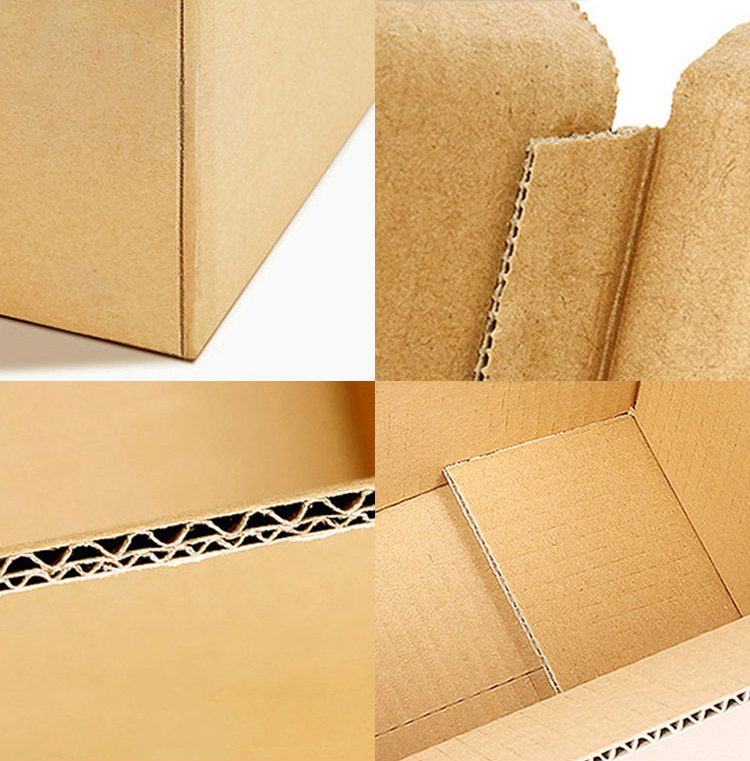
Branded Retail Packaging: Provides smooth print-ready surfaces for custom branding, premium unboxing experiences and in-store retail displays.

Light & Medium-Duty Shipping: A cost-effective, versatile solution for everyday consumer goods and general industrial shipping worldwide.
Unit Cost vs Total Packaging Operational Cost
Thanks to mass global production, corrugated cardboard carries a low upfront unit price, making it appealing for teams focused on initial procurement budgets.
Even so, global packaging procurement focuses heavily on total cost of ownership (TCO). While honeycomb cardboard costs more per unit upfront, it delivers clear long-term operational savings:
Lighter packaging cuts recurring international freight expenses
Higher structural stability reduces cargo damage, returns and product replacement costs
Multi-functional design consolidates multiple packaging parts, simplifying inventory and SKU management
Plastic-free composition lowers compliance risks under global green packaging regulations
Final Verdict: How to Choose the Right Packaging Material
Choose BirtleyPack honeycomb cardboard if you need lightweight heavy-duty structural protection, want to replace traditional wood or foam packaging, require consistent multi-directional compression resistance, or aim to cut shipping weight and carbon emissions for palletised global freight.
Choose corrugated cardboard if your priority is high-speed automated carton production, branded retail packaging, flexible folded box designs, and minimal upfront material cost for standard light to medium-duty shipments.
In most global supply chains, the two materials work best together. Corrugated outer cartons deliver branding and enclosure functionality, while honeycomb internal panels provide robust structural protection — balancing cargo safety, presentation and long-term cost efficiency.
Frequently Asked Questions (FAQ)
These are the most common questions logistics and packaging professionals ask when comparing honeycomb and corrugated cardboard for global shipping and industrial use.
1. What is the main difference between honeycomb cardboard and corrugated cardboard?
The biggest difference lies in structure and strength consistency. Honeycomb cardboard uses a 3D hexagonal cell structure that delivers stable strength from all directions. Corrugated cardboard relies on linear fluted waves, so it is only strong vertically and weak under horizontal pressure. Simply put, honeycomb is built for heavy structural protection, while corrugated is designed for flexible, foldable box packaging and retail branding.
2. Is honeycomb cardboard stronger than corrugated cardboard?
Yes. When matched by weight, honeycomb cardboard outperforms both single-wall and triple-wall corrugated board in compression, shear and bending resistance. It does not lose stability when pressure changes direction, effectively preventing cargo crushing and panel deformation during long-distance shipping and pallet stacking.
3. Is honeycomb packaging more cost-effective than corrugated packaging?
Corrugated cardboard is cheaper to purchase upfront. However, honeycomb packaging offers better long-term value for global logistics. Its lightweight build lowers freight costs, minimises product damage claims, simplifies packaging inventory and reduces sustainability compliance fees, creating clear net savings for high-volume shippers.
4. Can honeycomb cardboard replace wood dunnage and foam packaging?
Absolutely. BirtleyPack honeycomb cardboard serves as a fully export-compliant, recyclable alternative to wooden dunnage and EPS foam. It has no splinter risks, requires no phytosanitary checks for international shipments, and delivers equivalent heavy-load protection without generating non-recyclable waste.
5. Which is better for pallet layer packaging: honeycomb or corrugated board?
Honeycomb cardboard is the superior option for pallet layering. Its uniform cell structure spreads weight evenly across the entire pallet surface, avoiding localised pressure points that crush goods. Thick honeycomb panels are far more stable and lighter than triple-wall corrugated boards, making them ideal for industrial pallet separation and load support.
6. Are honeycomb and corrugated cardboard fully recyclable?
Standard uncoated honeycomb and corrugated cardboard are 100% paper-based, biodegradable and recyclable across global recycling systems. Only wax or plastic-laminated corrugated grades have limited recyclability. Both materials are excellent sustainable replacements for plastic and foam packaging.
7. Can honeycomb cardboard be used for branded retail packaging?
Honeycomb cardboard can be printed on but is not suitable for premium branded retail packaging. It lacks the smooth surface and flexible foldability required for high-end printing and custom box shaping. Corrugated cardboard is the preferred choice for retail branding, while honeycomb is better suited for internal structural protection. Many brands combine both materials for optimal results.
BDL Fanfold Corrugated Sheets Z-Fold Is Continuous Fiber Packaging Board
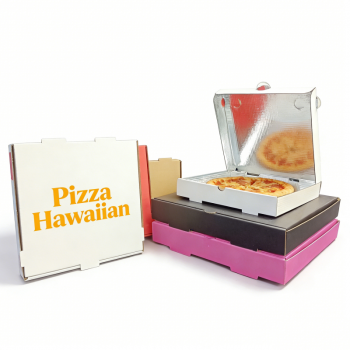
BDL Aluminum Foil Thermal Pizza Box for Food Packaging
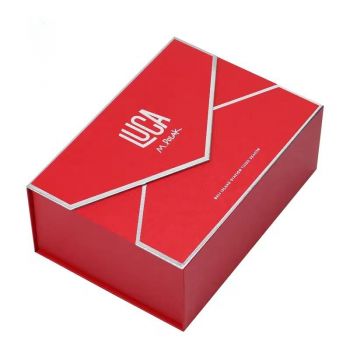
BDL Custom Luxury Magnetic Gift Box
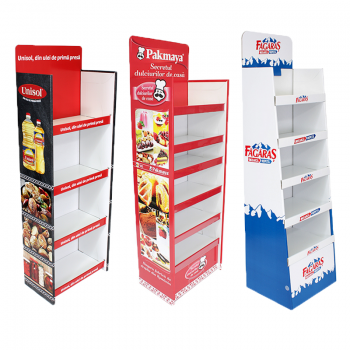
BDL Folding POS Cardboard Display Unit Stand for Products