If you source packaging for retail displays, e-commerce shipping, or commercial logistics, you’ve likely used cardboard and corrugated interchangeably. To ordinary consumers, both are brown, foldable, paper-based boxes with nearly identical appearances. However, for business owners, procurement specialists, and supply chain managers, confusing these two common packaging materials often results in damaged inventory, inflated shipping costs, subpar branding outcomes, and inefficient packaging decisions.
The core source of this industry confusion is straightforward: cardboard is a broad umbrella term for paper-based packaging, while corrugated board is a specialized, performance-engineered packaging variant. All corrugated boxes belong to the cardboard family, but standard cardboard never qualifies as corrugated packaging. In this practical business guide from birtleypack’s packaging experts, we unpack their structural differences, functional performance gaps, ideal commercial applications, and actionable selection tips to help you optimize your packaging strategy — with zero jargon and no forced keyword repetition.
Core Definition Differences: Cardboard vs. Corrugated Board
Most packaging selection mistakes stem from unclear foundational definitions. The global packaging industry distinguishes cardboard (paperboard) and corrugated board based on manufacturing structure, material composition, and functional design. Below are authoritative, industry-standard definitions to eliminate all ambiguity.
What Is Cardboard (Paperboard)?
Professionally named paperboard, standard cardboard is a single-layer, rigid paper material manufactured by compressing refined wood pulp into dense, flat sheets. It features no internal fluting, layered structures, or cushioning components. Boasting a smooth, uniform surface and lightweight properties, cardboard supports high-resolution printing, embossing, and custom finishing, making it perfect for visual branding. Still, it only provides basic rigidity and lacks compression resistance or impact buffering capabilities.
This material is the primary choice for consumer-facing retail packaging designed for static indoor display. It excels at showcasing brand aesthetics but cannot withstand repeated handling, stacking, or long-distance transit, making it unsuitable for logistics and shipping applications.
What Is Corrugated?
Corrugated board is a multi-layer, industrially engineered packaging material built exclusively for durability, protection, and logistics adaptability. Its unique sandwich structure consists of a wavy fluted paper medium glued between two flat kraft liner boards (inner and outer liners). This engineered layered design is the fundamental reason corrugated packaging outperforms standard cardboard in strength, stability, and impact resistance.
The flexible fluted core acts as a built-in shock absorber and structural support system. It evenly distributes vertical stacking pressure, resists punctures and crushing, and buffers products from drops, friction, and vibration during courier transit and warehousing. Tailored for heavy-duty commercial use, corrugated board is the gold standard for e-commerce fulfillment, bulk shipping, and long-term pallet storage.
Structural & Performance Comparison Table
Though visually similar to untrained eyes, cardboard and corrugated board have stark performance differences that directly affect product safety, packaging costs, and overall business ROI. Use the detailed comparison below to quickly identify their core functional gaps for commercial scenarios:
| Feature | Cardboard (Paperboard) | Corrugated Board |
| Structure | Single solid paper layer, no internal fluting | Multi-layer: flat liners + wavy fluted core |
| Strength & Durability | Low rigidity, easy to bend, crush, or crease under light pressure | High compression strength, puncture-resistant, stackable for pallet shipping |
| Shock Protection | No cushioning; transfers all impact to contents | Excellent shock absorption; flutes buffer drops and vibration |
| Print & Branding Quality | Smooth surface for crisp, high-resolution graphics and full-color printing | Slightly textured surface; suitable for functional printing and simple brandin |
| Cost | Lower material and production cost | Slightly higher cost due to multi-layer manufacturing |
| Best Lifespan | Short-term display, stationary indoor use | Long-distance shipping, warehousing, repeated handling |

|

|
Commercial Use Cases: Which Material Should You Choose?
Packaging selection is never about choosing a “better” material — it relies entirely on scenario suitability. Many businesses waste budget on overqualified corrugated packaging for simple retail display needs, while others suffer costly product damage by using fragile cardboard for shipping. Matching the right material to your business scenario optimizes cost and protects your brand reputation.
Choose Cardboard (Paperboard) For:
-Retail shelf packaging: Cosmetic boxes, snack containers, gift boxes, and consumer product cartons designed for in-store presentation
-Lightweight, stationary items: Stationery, playing cards, book covers, and craft packaging
-Premium branding projects: Full-color printing, embossing, and custom finishing that requires a smooth, flat surface
-Short-distance, non-shipped goods: Products sold and displayed locally with no logistics handling
Choose Corrugated For:
-E-commerce & shipping fulfillment: Online order boxes that undergo courier handling, sorting, and transit vibration
-Fragile or heavy items: Electronics, glassware, furniture parts, tools, and bulk inventory
-Warehouse & pallet stacking: Boxes that need to support vertical weight without collapsing
-Custom protective packaging: Inserts, shipping crates, and industrial packaging requiring impact resistance
Why This Material Distinction Matters for Your Business
Casual consumers and small business operators often generalize all paper-based boxes as cardboard. This informal terminology is fine for daily communication but leads to flawed packaging strategies in commercial procurement and logistics. Misselection often triggers unnecessary operational losses that are easily avoidable with basic material knowledge.
For instance, shipping fragile electronics or glass products in standard cardboard boxes drastically increases breakage risks, leading to customer returns, negative reviews, and revenue loss. On the flip side, using corrugated boxes for in-store retail packaging wastes funds on redundant structural strength while limiting high-end graphic printing effects, weakening your product’s shelf appeal.
Grasping the difference between cardboard and corrugated packaging empowers you to cut redundant packaging costs, minimize product damage rates, and unify your brand’s offline and logistics presentation. Use smooth, printable cardboard for retail branding and sturdy, protective corrugated board for all shipping and warehousing needs.
Frequently Asked Questions About Corrugated & Cardboard
1.Are corrugated boxes cardboard?
In broad consumer terminology, corrugated boxes fall under the general cardboard category. However, the commercial packaging industry strictly separates the two: cardboard refers exclusively to single-layer paperboard for display use, while corrugated identifies reinforced multi-layer packaging for logistics. Professional suppliers and procurement teams distinguish them for accurate quoting and performance matching.
2. Which is more eco-friendly?
Both cardboard paperboard and corrugated board are eco-friendly, made from renewable wood pulp, 100% recyclable, and fully biodegradable with no major sustainability gaps. The most eco-conscious practice is targeted material selection: avoid over-packaging products with heavy-duty corrugated board and prevent product damage waste caused by under-packaging with flimsy cardboard.
3. Can corrugated boxes be printed for branding?
Yes, modern corrugated packaging supports custom printing, including brand logos, brand slogans, and functional shipping information. Though its textured surface cannot achieve the ultra-smooth high-definition printing effect of paperboard, it fully meets daily shipping branding and unboxing experience needs, making it ideal for e-commerce brand presentation.
Final Thoughts: Match Your Packaging to Your Purpose
The simplest and most accurate rule to distinguish the two materials is: cardboard (paperboard) serves retail display and brand presentation, while corrugated board serves product protection and logistics shipping. Mastering this core distinction eliminates packaging selection guesswork, optimizes your overall packaging budget, and protects your brand image throughout retail display and product transit — a principle we always follow when designing custom packaging at birtleypack.
Whether you need custom printed premium cardboard boxes for retail sales or heavy-duty, damage-resistant corrugated boxes for e-commerce shipping and bulk logistics, birtleypack provides professional one-stop customized packaging solutions tailored to your industry, product specifications, and brand positioning. With rich experience in commercial packaging design and production, we help global businesses optimize packaging costs, upgrade brand presentation, and secure reliable packaging support for retail and logistics scenarios.
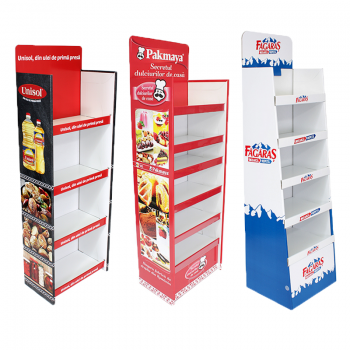
BDL Folding POS Cardboard Display Unit Stand for Products

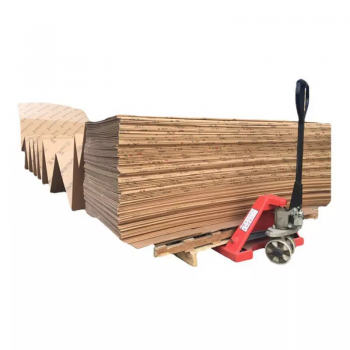
BDL Fanfold Continuous Corrugated Cardboard For E-commerce

BDL Rigid Box for Wig and Hair Bubble Sets with Custom Logo
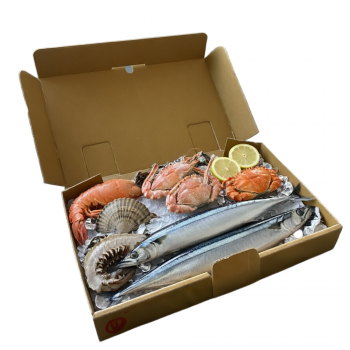
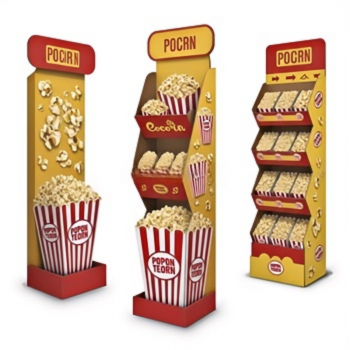
BDL Custom Printed Cardboard Display Rack for Retail Stores
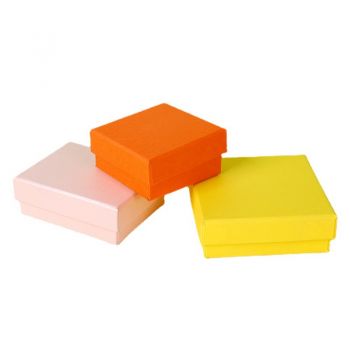
BDL Small Jewelry Paper Packaging Gift Box Girls Ring
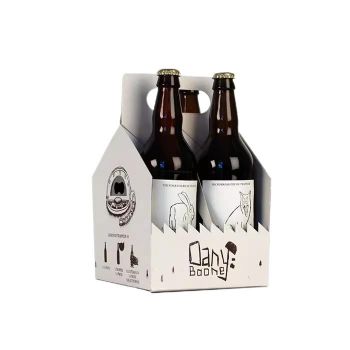
BDL Hot New Best Selling Beer Paper Corrugated 4 Pack Bottle Carrier