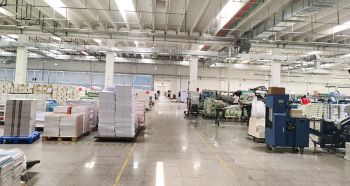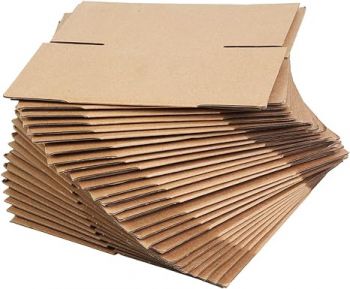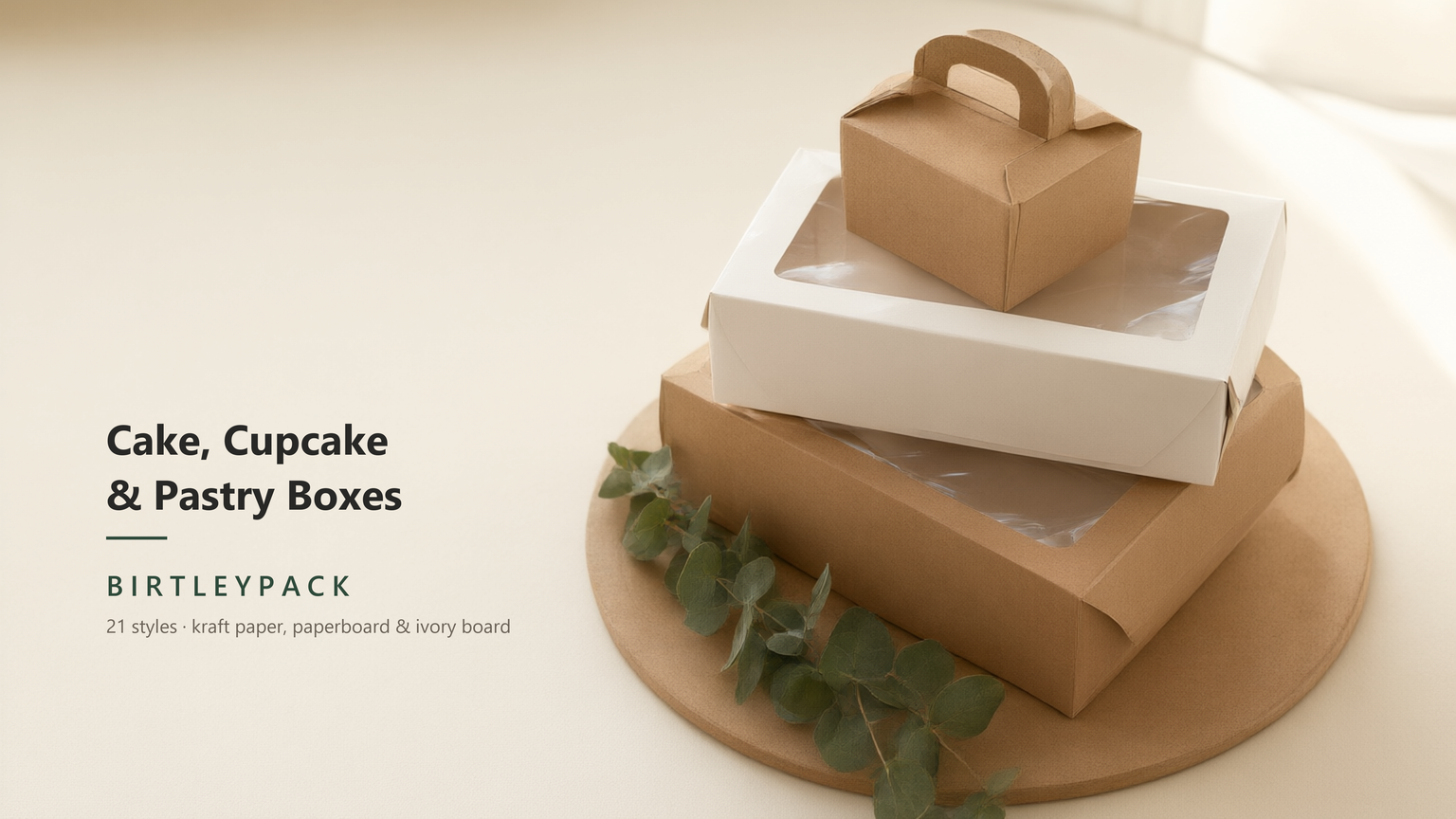
Cover illustration: bakery cartons in kraft paper and ivory board. Illustration, Birtleypack.
This page is for buyers who need a cake, cupcake or pastry box and want to know what our own product pages actually publish before they send an enquiry. We build folding cartons, self-erecting boxes and rigid boxes in Xiamen. Here is the board naming, the sizes on the pages, and what we check before a run.
TL;DR
- The cake, sushi and sandwich box category lists 21 styles as we count them on 28 September 2026: 19 folding cartons (Box Type folders), one rigid box and one self-erecting box.
- Paper Type is the only board field the pages carry: 15 styles say kraft paper and paperboard, 3 say ivory board, 2 say paperboard. Grammage, caliper and flute are not published; they are set per job on the quote.
- Three titles name a number: 4 × 4 × 2.5 in, 12 × 12 × 6 in and a 12 inch window. The other 18 leave size to your drawing, so send internal dimensions in millimetres and a photo of what goes in the box.
The category, in figures
Everything in this table was read off our own collection page and the 21 product pages behind it on 28 September 2026. Nothing in it is a market average or a typical figure from somewhere else.
| Item | What our pages carry | Where it comes from |
| Styles listed in the category | 21 styles, spread over 2 pages of the grid | Counted on /collections/cake-box-and-sushi-box-and-sandwich-box on 28 Sep 2026 |
| Box Type field | folders 19 · rigid 1 · self-erecting 1 | Box Type on the 21 product pages |
| Paper Type field | kraft paper + paperboard 15 · ivory board 3 · paperboard 2 · not stated 1 | Paper Type on the same 21 pages |
| Finishes named | 7 named processes | Printing Handling field, present on 20 of the 21 pages |
| Size field | Custom Size Accepted 19 · Customized 1 | Size on the same pages |
| Dimensions named in a title | 4 × 4 × 2.5 in · 12 × 12 × 6 in · 12 inch window | Product titles of the kraft window box, the plain white cake box and the bulk pastry box |
| Model numbers | 19 distinct model numbers | Model Number field; two numbers are shared by two styles each |
| Sampling | 7 days | Confirmed with our sales desk, counted from artwork and die approval |
| Mass production | 15 days | Confirmed with our sales desk, from artwork and die approval |
| Quote validity | 7 days | Confirmed with our sales desk |
| This reading | 28 Sep 2026 | Same day, same collection, before any edit |
Board names, not board numbers
The 21 pages name three things: kraft paper, paperboard and ivory board. Fifteen styles are quoted as kraft paper plus paperboard, three as ivory board, two as paperboard on its own, and one rigid box states no paper type at all. That is the whole of the board information a buyer can read on the site today, and it is less than most buyers expect.
What is missing is the number that sits behind those words: grams per square metre, caliper in micrometres, and the flute letter if the board is corrugated. We leave them off the pages on purpose, because a cake box is quoted against a die line, a print run and a distribution route, and the same 300 gsm board can be right for one job and wrong for the next. On the floor we read board by name first and by caliper second, and the caliper is fixed when we confirm the die, not when we write the product page.
If you need a grade written down before you can open a purchase order, ask for it in the enquiry and we will put the board name, the caliper and the flute letter on the quotation as a line item. The terminology we use for board and flute grades follows the FEFCO Code, which is the public reference most European carton buyers already quote back to us.
Sizes: three titles carry a number, eighteen do not
Three styles name a dimension in the title. The kraft box with a clear window is listed at 4 × 4 × 2.5 in, the plain white cake box at 12 × 12 × 6 in, and the bulk pastry box is titled around a 12 inch window. The remaining 18 titles carry no dimension at all, and 19 of the 21 pages answer the Size field with Custom Size Accepted.
That is not a gap in the listing, it is the way the trade works. A bakery that sells a 20 cm cake and a bakery that sells a 24 cm cake want the same carton drawn at two internal heights, and neither wants to buy the other one. So the useful thing you can send is not a photo of a carton you liked, it is the internal length, width and height in millimetres, the weight of the filled box, and whether the carton ships flat and is folded on site or arrives erected. Internal dimensions are the ones that matter because paperboard has thickness: the outside of the box is always larger than the internal space by twice the board caliper plus the score allowance. FEFCO publishes the box measurement conventions we work to in its testing methods and recommendations.
What we measure before a run
Before a new die goes on the machine we check four things on our own line, and we check them on the first article rather than after the pallet is packed.
The first is the die line against your drawing: the internal size as drawn, the score positions, and the glue lap. The second is the crease, because a folding carton that cracks along the crease is scrap even if every other dimension is right, and cracking shows up on kraft stock far more than on a coated sheet. The third is the window: where the film sits, how much paper is left as a frame and whether the aperture distorts when the box is closed. The fourth is the print position relative to the crease, which matters most on the styles that carry a handle. The production sequence behind those four checks, printing through die-cutting, folding and gluing, is documented in the FEFCO production process notes.
None of the four is a tolerance we can publish as a single number, because the number depends on the die, the caliper and the press. What we can do is measure the first article against the drawing and send you the figures with the sample, so you are comparing a measurement to a specification rather than a sample to a photograph.
When a folding carton is the wrong answer
Nineteen of these 21 styles are folding cartons, and there are orders where we should not be selling you one. If the filled box is heavy enough that the carton bulges when it is lifted by the base, if the product carries loose oil or a wet glaze that reaches the board before the customer does, or if the carton has to survive a courier network stacked three high, the answer is a rigid box or a corrugated shipper rather than a lighter folding carton with more print on it. We would rather send you to a heavier build, including the one rigid and one self-erecting style already in this category, than quote a folding carton twice and replace it once.
The same warning applies to product type. The category is named for cake, sushi and sandwich boxes, and the 21 styles listed on it today are bakery cartons: cake, cupcake, pastry, donut and pie boxes, with nine titles naming a window and one naming a cardboard insert. A sushi tray, a sandwich wedge or a box you want to put in a microwave is a different build with a different board and different closure, and it starts from an internal size and the food itself rather than from a style on this page. Tell us what goes in the box and we will say plainly whether a folding carton is the right construction.
What to send with an enquiry
Send four things and the quote comes back as a specification rather than a price for a picture: internal length, width and height in millimetres; the board name you want, or the phrase not sure; the print run and whether artwork is print-ready; and the finishing you expect, choosing from the seven processes named on the pages, which run from matt and glossy lamination through varnishing, UV coating, stamping and embossing to gold foil. If the carton needs to hold cupcakes, say how many cavities and whether they sit in a cardboard insert, and if it needs a window, say whether the film should be clear PVC or left open. A fifth line helps more than any of them: tell us the route the box travels after it leaves you.
For buyers comparing styles side by side, the neighbouring categories use the same board vocabulary: chocolate, donut and macaron boxes sit next to this one, and the whole range is indexed under food and beverage boxes. We write up how these cartons are built in the food and beverage packaging notes on the blog.
Questions buyers send before ordering
What internal size should I send for a cake box?
The internal length, width and height in millimetres, plus the diameter of the cake and the height of the decoration. If the box holds more than one item, send each dimension and the gap you want between them.
Do you publish the board grade or the grammage?
No. The product pages name kraft paper, paperboard or ivory board and nothing finer. We put the grade, caliper and flute letter on the quotation once the die and the print run are known.
What is the difference between paperboard and ivory board on your pages?
Both are folding board. Ivory board is coated on the printed face and takes fine print and lamination; paperboard is the plainer sheet used when the print is simple or the box is kraft-faced. Three styles in this category are quoted on ivory board.
Can you add a window and an insert for cupcakes?
Nine of the titles in this category name a window and one names a cardboard insert, so both are routine. Tell us the window shape and the number of cavities, and whether the insert should be die-cut board or a moulded tray.
What lead times do you work to?
7 days for sampling and 15 days for mass production, both counted from artwork and die approval, with a quote valid for 7 days. Reinforced or foil-finished builds can take longer, and we say so before you order rather than after.
Which box type should I choose?
Folders (folding cartons) suit light bakery goods and flat shipping, self-erecting boxes save folding time on the line, and rigid boxes are for gifting and heavier contents. Nineteen of the 21 styles here are folding cartons.
Is there a single minimum order quantity?
No single figure is published, because the minimum moves with the die and the print run. Tell us the quantity per size and we will confirm it in the quotation for that style.
Sources
Collection page and the 21 product pages behind it (paper type, box type, printing, size field, model numbers, titles), read and counted 28 September 2026 — /collections/cake-box-and-sushi-box-and-sandwich-box
FEFCO Code, board and flute grade terminology, consulted 28 September 2026 — fefco.org/technical-information/fefco-code
FEFCO testing methods and recommendations, box measurement conventions, consulted 28 September 2026 — fefco.org/technical-information/fefco-testing-methods-recommendations
FEFCO production process notes, printing through die-cutting, folding and gluing, consulted 28 September 2026 — fefco.org/technical-information/production-process
Sampling, production and quote validity figures are the ones confirmed with our sales desk and used across Birtleypack quotations. Competitor catalogues and marketplace listings were not used as a source for any number on this page.
Last verified: 2026-09-28, Birtleypack content team with the factory floor.
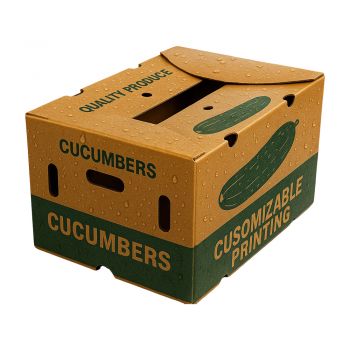
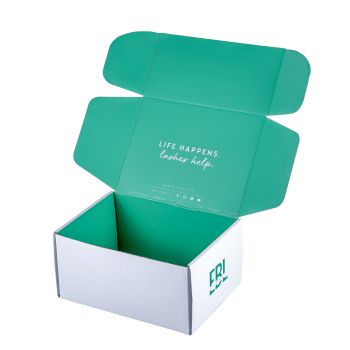
BDL Corrugated Mailer Box for Cosmetics and Apparel Brands
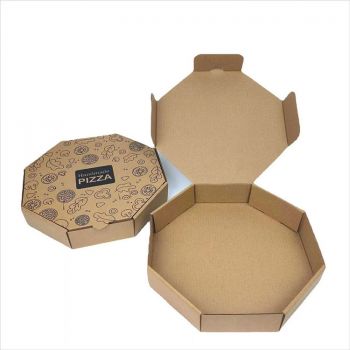
BDL Custom Printed Pizza Box in Your Own Brand Colours
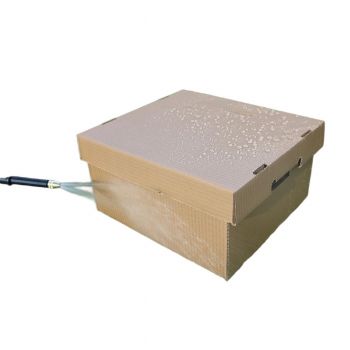
BDL Custom Farm Fresh Produce Wax Carton Box For Vegetable And Fruit